Get Full Government Meeting Transcripts, Videos, & Alerts Forever!
Get email alerts on the Homelessness Prevention topic
No spam. Unsubscribe anytime.
County homelessness-prevention pilot highlighted Rohnert Park as top applicant zip; city asked to consider prevention investments
Summary
Committee on the Shelterless (C/S) CEO Chris Kbal briefed the council on 'Keep People Housed,' a countywide prevention program that received over 1,200 applications in its early months and has targeted flexible assistance averaging about $3,700 per household; staff and council discussed working with the program and investing upstream prevention resources.
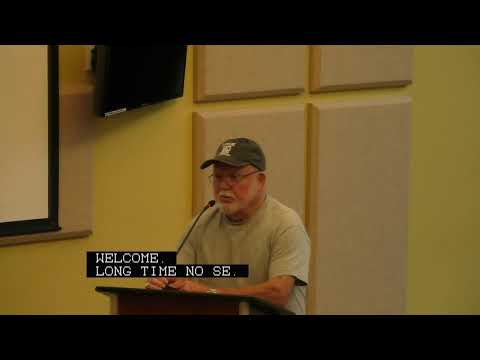
Chris Kbal, CEO of Committee on the Shelterless, presented the countywide Keep People Housed pilot, a homelessness-prevention program that targets flexible financial assistance and short-term case management to households at imminent risk of losing housing.
Kbal said the county received more initial applications for the pilot than any other Bay Area county (over 1,200 in the program’s first three months) and that roughly 15% of applicants receive assistance under the current funding profile. He said almost half of households who received help have children and that the program is highly effective at preventing entry into the homeless system: in Rohnert Park applicants have received the largest share of awards in the county and C/S reports 90% of assisted households in Rohnert Park were still housed at the time of the presentation. Kbal also contrasted an estimated average prevention cost of about $3,700 per household with much larger downstream costs to house people after they become unhoused—estimates he gave ranged up to $60,000–$100,000 for re-housing depending on household size and service needs.
Councilmembers applauded the countywide collaboration and asked staff and the presenter about program eligibility, how assistance is used (rent, utilities, deposits, creative one-time costs such as driver’s‑license reinstatement), and how the city can partner or augment funding to expand reach. Kbal said the pilot uses a hub-and-spoke model led by C/S which performs payments, compliance and reporting, while local community-based organizations provide outreach and case management.
Councilmembers expressed interest in meeting with C/S to explore local investment and emphasized the value of prevention investments to reduce long-term budget and human costs.
Staff follow-up items included scheduling a meeting between councilmembers and C/S to explore local participation and options to target city funding to prevention services.