Get Full Government Meeting Transcripts, Videos, & Alerts Forever!
Get email alerts on the Vector Control topic
No spam. Unsubscribe anytime.
Mosquito district warns of record yellow‑jacket calls, continues invasive‑mosquito surveillance
Summary
A Marin/Sonoma Mosquito & Vector District representative told the Rohnert Park council that technicians handled more than 6,800 yellow‑jacket calls through mid‑October — likely topping 7,000 for 2025 — and that the district is maintaining surveillance for invasive Aedes aegypti and Aedes albopictus while West Nile activity remains low locally.
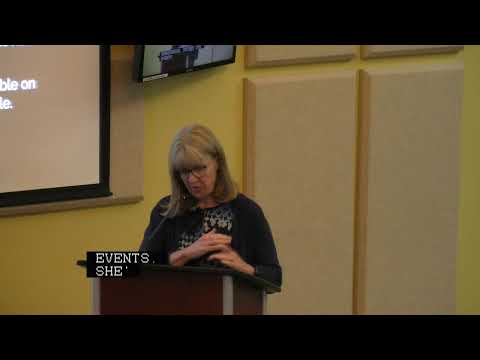
Peter, a representative of the Marin/Sonoma Mosquito & Vector District, told the Rohnert Park City Council on Oct. 28 that the district saw an extraordinary surge in yellow‑jacket service calls this year and is keeping close watch for invasive Aedes mosquitoes.
The district, which covers parts of Marin and Sonoma counties and serves cities including Rohnert Park, operates on roughly a $12 million annual budget and employs about 36 full‑time staff with several seasonal employees. Peter said the district’s mission is to protect community health through integrated vector management, combining surveillance, biological controls, source reduction and chemical controls as needed.
“The big deal this year is yellow jackets,” Peter said. “We had over 6,800 yellow‑jacket calls this year … our technicians were literally sprinting, doing probably between 12 and 15 different control activities per person per day.” He added the total has continued to rise and the district expects to exceed 7,000 calls for the year.
By contrast, Peter told the council West Nile virus activity in the district remained relatively low: “we had pretty minimal West Nile virus activity — one positive dead bird in the city of Sonoma,” and statewide trends showed an overall reduction versus the previous year.
The district also emphasized ongoing surveillance for invasive Aedes aegypti and Aedes albopictus, mosquitoes that transmit dengue, chikungunya, Zika and yellow fever. Peter noted those species have been detected elsewhere in the Bay Area and urged residents to remove standing water, check potted plants and report suspicious mosquito habitats to the district.
On services, Peter reviewed routine programs: mosquito fish placement, rodent‑inspection reports (the district does not perform rodent control but will advise property owners), school outreach and insect identification by in‑house entomologists. He said the district fields calls for a range of issues and provides guidance or referrals when an issue is outside its vector control scope.
Council members pressed for details about trap efficacy and why Aedes species have been spreading; Peter said eggs can remain dry for months and human transport along major corridors likely contributes to range expansion. He also answered questions about yellow‑jacket response options and the limits of passive traps.
The district’s presentation underscores two points for Rohnert Park residents heading into winter weather: vector control capacity can spike with unusual insect activity, and residents can reduce risk by eliminating potential breeding sites and reporting nests early. For more information or to request a field inspection, the Marin/Sonoma Mosquito & Vector District website has contact details and guidance.