Get Full Government Meeting Transcripts, Videos, & Alerts Forever!
Get email alerts on the Animal Control topic
No spam. Unsubscribe anytime.
Resident Melody Platt urges Desert Hot Springs to fund microchip scanners and landlord incentives amid animal-control crisis
Summary
At the June 12 public safety commission meeting resident Melody Platt urged the city to address an animal-control crisis linked to housing shortages, asked the council to consider landlord incentives and requested funding for two microchip scanners; animal-control staff described a $5 microchipping program and recent rescue partnerships.
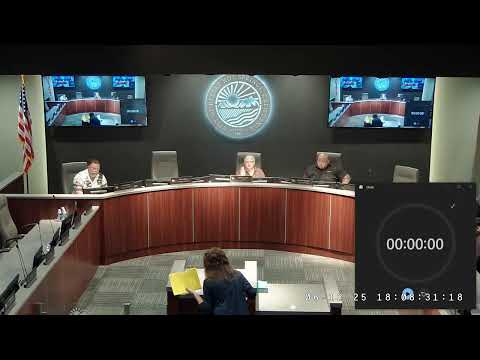
Resident Melody Platt told the Desert Hot Springs Public Safety Commission on June 12 that the city is facing an "animal crisis" tied to housing shortages and landlord restrictions. Platt said many landlords refuse pets (she stated "26%" allow pets), cited the recent failure of AB 2216 in Sacramento and asked the city to consider landlord stipends or insurance to encourage pet-friendly rentals. She also asked the city to fund two microchip scanners for local businesses to help reunite lost animals with owners and described rampant abandonment and euthanasia in regional shelters.
Acting compliance manager Tyler responded that the city has been in contact with rescue partners (he named organizations such as Pilots for Pause and Asher House) and said the shelter does not keep cats in cages but moves animals between rooms for care. Tyler described the department’s $5 microchipping program, said the city has seen an increase in returns to owners when chips are registered, and stated that euthanasia is used only for animals with injuries so severe they would prevent a humane quality of life. He told the commission the Humane Society location on Palm is expected to reopen around July 9 and encouraged residents to bring animals in for microchipping or contact animal control for help.
Platt’s public comment included two explicit requests: (1) that the City Council consider incentives or an insurance/stipend program to reduce landlord resistance to tenants with pets, and (2) that the city fund two portable microchip scanners placed in local businesses to ease reunification. Tyler told the commission that requests for funding would be taken to City Council (the next council meeting is June 17), and described existing microchipping, licensing and rescue partnerships the department uses to reduce shelter deaths.
The commission did not take immediate action on the funding requests at the meeting; Tyler directed Platt to raise budget or policy proposals with City Council. The commission’s next regular meeting is scheduled to resume in September after a July–August recess.