Get Full Government Meeting Transcripts, Videos, & Alerts Forever!
Get email alerts on the Enel Terminals Car Storage topic
No spam. Unsubscribe anytime.
Alameda board approves two‑year interim car‑storage permit at former naval terminals, amid truck and pedestrian concerns
Summary
The Alameda Planning Board approved a two‑year interim use permit allowing temporary storage of new electric vehicles at 1521 Buena Vista, with conditions on hours, loading buffers, ramp‑up/down periods, and tidelands‑lease limits after residents raised safety, routing and pedestrian‑access concerns.
The Alameda Planning Board on March 23 approved a two‑year interim use permit to allow temporary storage and staging of new electric vehicles at the former naval terminals at 1521 Buena Vista. The permit drew extended debate over truck routing, pedestrian access to the Bay Trail, hours of operation and fire‑safety for large numbers of electric vehicles.
Staff described the project as an interim, lower‑impact way to occupy and secure a blighted site while long‑term master‑plan work remains delayed. "This project would truck in electric vehicles on a car carrier ... and the proposal would limit activity to established truck routes and restrict lighting and noise to protect neighbors," planning services manager Steve Buckley said in his presentation.
Applicant Michael Herup told the board the use would improve security, accelerate a Fortman Marina entrance solution and remove dilapidated buildings. He said the prospective tenant anticipates storing about 700–1,000 cars and estimated truck activity during ramp up could range "0 to 10" truck trips per day while the site fills.
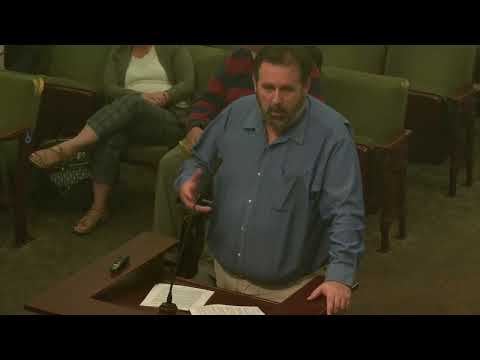
Neighborhood speakers urged stronger protections. Allison Green told the board she was "kind of terrified" by the prospect of tractor‑trailers using the entrance during evening hours and said the project was not ready for a final vote. BikeWalk Alameda emphasized that the Bay Trail currently uses a low‑volume driveway through Fortman Marina and asked the board to condition approval on a dedicated pedestrian connection or striped pathway across any new driveway. A resident who asked to be identified as Kim Kadel pressed the board for a clear fire‑safety analysis given the applicant's plan to store as many as a thousand electric vehicles.
Board debate focused on three technical areas: hours of operation, spatial buffers for loading/unloading to minimize neighborhood impacts, and tidelands‑lease timing. Staff had recommended stricter daytime‑only limits (draft condition: 8 a.m.–4 p.m.) outside ramp‑up and ramp‑down windows to avoid truck traffic during commute times; the applicant asked for 8 a.m.–6 p.m. with limited exceptions, noting logistics often fall outside rigid windows.
After negotiating changes on the record — including a defined ramp‑up period, a two‑week secondary ramp for tidelands parcels if they come online later, a restriction that prohibits loading/unloading within a defined buffer near Clement Avenue (staff and applicant agreed to narrow that buffer and allow storage behind the fence), and a condition that any limited after‑hours deliveries require prior approval from the planning director — the board voted to approve the permit. The resolution also requires a public‑works permit for driveway improvements and directs staff to work with the applicant on pedestrian/bike access treatments where the driveway meets the waterfront path.
The board recorded the vote as carried; one member opposed and two were absent. The permit is conditional on the tidelands‑lease amendment language noted in the resolution and on compliance with fire and building codes and any required BCDC approvals for activities within BCDC's jurisdiction.
Next steps: The applicant may begin site work consistent with the approved conditions and public‑works permit timing; staff will monitor ramp‑up and ramp‑down compliance and report on any permit deviations.