Get Full Government Meeting Transcripts, Videos, & Alerts Forever!
Get email alerts on the Transportation topic
No spam. Unsubscribe anytime.
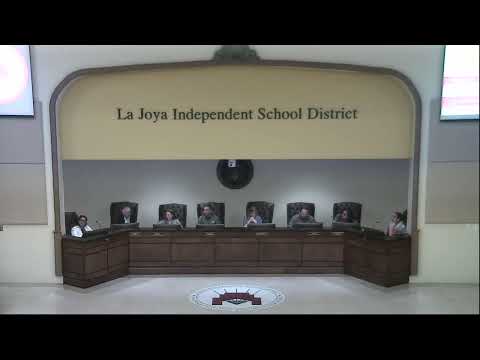
LA JOYA ISD outlines costs and timeline to meet Texas three-point seatbelt mandate for school buses
Summary
District transportation staff told trustees that Senate Bill 546 requires three-point seat belts on all school buses, reporting 174 buses in the fleet, 67 already compliant, and an estimated $3.7 million to retrofit the remaining identified buses; administration described the mandate as effectively unfunded at present.
Trustees heard a compliance briefing on Senate Bill 546 that requires all Texas school buses to have three-point seat belts for each passenger and sets statutory reporting and compliance deadlines.
Mr. Joe Alanise, who presented the transportation overview, said the district’s fleet currently totals 174 buses and that 67 meet the three-point-seatbelt standard. He reported that 107 buses have been identified as needing retrofit or replacement, and provided the administration’s cost estimates: approximately $33,000–$35,000 to retrofit a regular bus, $25,000–$27,000 for a special-education bus, and an extra floor-replacement cost for 2015-or-older buses. He summarized the district estimate at roughly $3.7 million to bring identified buses into compliance.
Regarding statutory deadlines, Mr. Alanise told the board the district must assess and document compliance (completed as required), submit a report to the Texas Education Agency by May 29, 2026, and achieve full compliance by Sept. 1, 2029. He also said retrofitting a bus takes about three months once funding is available; buying a new bus takes six to eight months plus district onboarding time.
Superintendent Dr. Sylvia Ivara described the requirement as an "unfunded mandate," noting the district currently has no state funding earmarked to cover retrofit or replacement costs. "We have until 2029 to be in compliance," she said, "and at this time there is no funding available from the state to do that." Board members and staff discussed pursuing potential grant opportunities and aligning the work with the district’s long-term capital replacement plan.
Administration’s recommendation to trustees was to take no immediate large-scale action pending funding analysis and to prioritize that any future purchases of buses meet the three-point-seatbelt requirement. The board asked administration to provide further detail on which of the 2015-or-older buses are likely candidates for replacement versus retrofit; staff agreed to supply that information.
Next steps identified in the meeting included preparing the May 29 TEA compliance report, evaluating retrofit vendor options through procurement, and integrating decisions into the district’s capital-replacement planning.
The presentation and board exchange provide the district’s internal cost estimates and timeline; state-level funding discussions were described as ongoing and not yet resolved.