Get Full Government Meeting Transcripts, Videos, & Alerts Forever!
Get email alerts on the Veterans Housing topic
No spam. Unsubscribe anytime.
Commission grants one‑year extension for Montgomery veteran housing tentative map amid neighborhood frustration over VHDC maintenance
Summary
After residents testified about poor maintenance and a history of delays, the commission approved a final one‑year tentative‑map extension for a 12‑unit Montgomery Street townhome project tied to Veterans Housing Development Corporation, while urging VHDC to improve property management and communication.
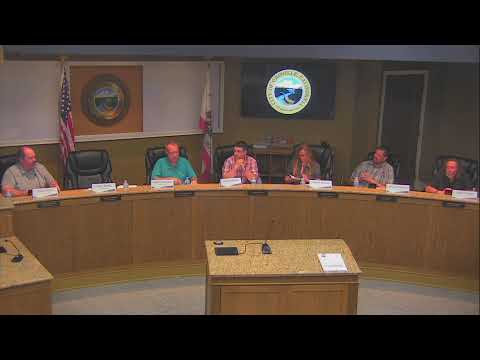
The Oroville Planning Commission on March 26 approved a one‑year extension of the tentative map for a 12‑unit Montgomery Street townhome project (original approval 2022), granting the last extension allowed under the Subdivision Map Act to April 8, 2027.
Residents urged the commission to withhold the extension, saying properties transferred to the Veterans Housing Development Corporation (VHDC) had been poorly maintained and remained vacant for years. Marshia Henderson told the commission the city and VHDC began cooperating in 2019 when the city transferred properties but said: "...one of these eight properties...fell into disrepair...Weeds in the front are 3 ft high...fencing and gating are failing." Christine Hill said a repeatedly squatted house had been the site of a fire and remains uninhabitable.
Jason Henry, who identified himself as chief housing officer for Nation's Finest and the interim manager of VHDC, acknowledged maintenance problems at the Baldwin Avenue property and said he had instructed staff to arrange landscapers to improve the site. He explained VHDC's operating model: when a rehabbed property sells, proceeds are reinvested into the next rehabilitation rather than using a real‑estate agent (which he said would reduce funds available for future rehabs). He described challenges securing traditional construction financing for small nonprofit projects and said VHDC had applied other funding sources (including a residual‑receipt loan tied to a different project at 1275 Mitchell). He asked for an additional year to pursue financing for the Montgomery project.
Commissioners pressed VHDC for details about funding and local property management, asked whether the city had recourse under deed restrictions or the Surplus Land Act, and discussed alternatives if the extension were denied (including opening the site to other affordable‑housing developers). Staff explained the surplus‑land notification and negotiation timeline and that certain properties would require at least 25% affordable units if offered through the state‑required process. After discussion and requests that VHDC improve local oversight and communication, the commission moved and approved the extension; the clerk recorded four yeses, one no, one absent and one abstention.
Next steps: VHDC committed to addressing immediate maintenance concerns and to communicate with staff and neighbors about next steps. If VHDC cannot complete the project within the extended period, the city said it could pursue surplus‑land procedures to seek new development partners.