Get Full Government Meeting Transcripts, Videos, & Alerts Forever!
Get email alerts on the Public Safety topic
No spam. Unsubscribe anytime.
Commission postpones two proposed retail marijuana sites after heavy neighborhood pushback
Summary
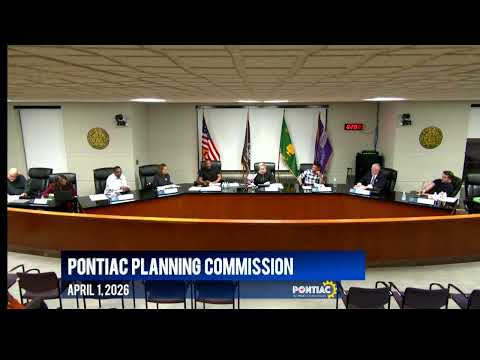
After lengthy public hearings with neighbors and a child-services provider raising concerns about location and proximity to residences, the commission postponed special-exception/site-plan votes for proposed retailers at 290 W Walton and 44821 Woodward to allow more outreach and review.
The Planning Commission postponed two high-profile special-exception requests for adult‑use marijuana retailers after strong neighborhood opposition and requests for more information on community benefits and neighborhood mitigation.
At 290 West Walton (Nature’s Remedy), staff told the commission the site met the written zoning buffers and operating standards, but neighbors raised traffic, parking, school proximity and odor concerns. Planning staff and the applicant both acknowledged community‑benefit documents and some application materials were considered confidential during the clerk/council phase. Vice Chair Jackson said the commission should postpone so the applicant could present community benefits and consult neighbors; the commission voted unanimously to delay the special‑exception and site‑plan consideration.
At 44821 Woodward (RJB Enterprises), a packed hearing included testimony from a representative of Care House, the county child‑advocacy center next door, which said it serves nearly 1,000 children a year and requested protections for children, traffic controls and strong buffering. Residents across the neighborhood also described long-term quality‑of‑life concerns. After discussion, the commission voted 5–2 to postpone the special‑exception request and the site‑plan review to allow additional neighbor outreach and for staff to confirm details about community benefits and buffers.
Applicants and staff emphasized regulatory controls — required security plans, odor‑filtration systems, no on‑site consumption, and state licensing — but commissioners and neighbors said those requirements did not remove the need for direct neighborhood engagement. Vice Chair Jackson asked applicants to go door‑to‑door and return with clearer documentation of local outreach and community benefits.
Next steps: both applicants were asked to return at a later meeting with clearer, shareable community‑benefits documentation, demonstrated neighbor outreach, and any adjustments to site plans requested by neighbors or staff.