Get Full Government Meeting Transcripts, Videos, & Alerts Forever!
Get email alerts on the Community Issues topic
No spam. Unsubscribe anytime.
Public comment centers on shelter staffing, tree program, mailings and opposition to casino zoning
Summary
During the post‑agenda public comment period volunteers and residents pressed the board on animal shelter staffing, urged stronger tree preservation and reallocation of costly mailings, and repeatedly urged repeal of 2025 casino‑friendly zoning at the Coliseum parcel.
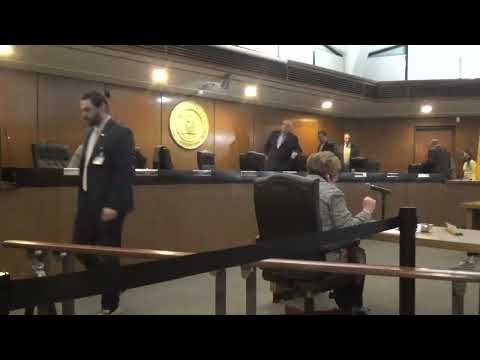
After the formal agenda concluded, dozens of residents addressed the Town of Hempstead Board on a range of issues.
Animal shelter volunteers urged the board to act on a Best Friends Animal Society operational assessment emailed to board members, warned of an imminent kitten season and a summer surge in dog intakes, and asked the town to retain and recruit shelter staff. One volunteer said while recent outdoor time for named animals was welcome, "this is only a temporary relief and the bigger issue still remains," and requested the town hire or allocate two full‑time staff members dedicated to dog walking and kennel care.
Several residents advocated for stronger tree preservation rules and better advertising of the town’s curbside tree program (a resident referenced a town planting cost of about $475 per curbside tree and suggested subsidizing plantings by reducing mailings). One Franklin Square speaker criticized the cost and frequency of town mailings, citing figures in the meeting (claimed 249,000 addresses, $60,000 postage, $20,000 printing) and proposed reducing mailings and using savings for environmental programs.
A series of speakers representing and allied with a "Say No to the Casino" campaign urged the board to repeal zoning changes the speaker said created an entertainment zone at the 72‑acre Coliseum property. They argued that the zoning was passed for potential casino uses and that residents oppose gambling and associated social harms. Speakers also referenced a state bill (the "Revive Act") and legislative activity they say could enable large residential developments without local zoning control; a public speaker announced active opposition to that measure.
Other residents described pothole repair deficiencies and asked for more durable repair methods and better scheduling of street sweeping into October to capture fall leaf debris.
Why it matters: Volunteers and a cross‑section of residents raised operational issues affecting daily life—animal care, street and park access, tree canopy and civic spending choices—and mobilized around zoning for a major development parcel. The zoning debate over the Coliseum site and state‑level proposals could have broader planning implications if they advance.
What comes next: Board staff promised follow‑up meetings with petitioners on shelter and parks issues and said procurement/agency staff would provide requested documentation; zoning or state proposals would be addressed in public forums and through legislative channels as they progress.