Get Full Government Meeting Transcripts, Videos, & Alerts Forever!
Get email alerts on the Alzheimers Dementia topic
No spam. Unsubscribe anytime.
Neurologist urges early screening for memory changes, previews trials testing earlier Alzheimer’s treatment
Summary
Dr. Travis Urban told Woodside Town attendees that short‑term memory loss should prompt evaluation, outlined new diagnostics (amyloid PET and blood biomarkers) and discussed anti‑amyloid drugs now in use and prevention trials testing earlier treatment.
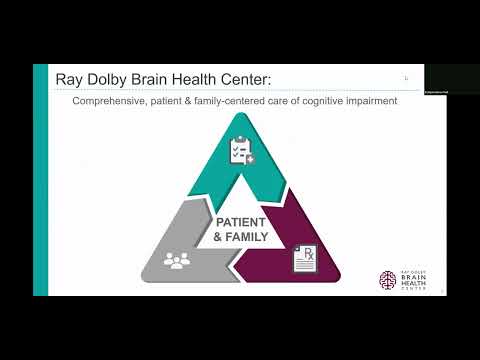
Dr. Travis Urban, associate medical director of the Ray Dolby Brain Health Center at Sutter Health, told the Woodside Town forum that distinguishing normal cognitive aging from disease is vital and that early evaluation improves options. "Short‑term memory loss is never normal," Urban said, adding that primary care screening followed by neurology or geriatrics referral is the usual diagnostic pathway.
Urban reviewed diagnostic tools used today: office screens (MMSE/MOCA), neuropsychological testing, brain imaging and newer in‑life biomarkers such as amyloid PET scans and blood tests for phosphorylated tau (he referenced p‑tau217). He said negative blood biomarker results make significant amyloid pathology unlikely while positive results generally prompt confirmatory imaging.
On therapies, Urban described anti‑amyloid antibody drugs that can reduce brain amyloid and modestly slow cognitive decline when given early. He named the commonly discussed agents and outlined practical elements: current regimens are intravenous infusions administered monthly or every two months over many months, require infusion‑center access and periodic MRI monitoring for brain swelling or microhemorrhages. He said the benefit is greater when treatment begins earlier in the disease course and emphasized that these medications are not cures but can slow progression.
In audience Q&A Urban estimated that mild cognitive impairment (MCI) commonly lasts on the order of "two‑to‑three years" on average but varies widely; he advised families to persist in seeking evaluation if concerns remain after a normal screening test. He also discussed genetic risk (APOE4 increases population risk but is not determinative), symptomatic medications (donepezil and memantine) and the limits of current evidence for supplements such as lithium.
Urban noted practical barriers including long appointment wait times and the need for clinicians comfortable with new biomarker results. He described ongoing prevention trials (for example AHEAD and Trailblazer programs testing very early anti‑amyloid interventions) whose results could change practice if positive.
The presentation was explanatory and educational; no clinical decisions were made during the forum and attendees were encouraged to consult their primary care providers about screening and referral.