Get Full Government Meeting Transcripts, Videos, & Alerts Forever!
Get email alerts on the Water Resources topic
No spam. Unsubscribe anytime.
Commissioners debate spring‑water harvesting permit as residents raise impact concerns
Summary
A proposed commercial extraction (about 68 gallons per minute / ~99,000 gallons per day) prompted commissioners to call for independent hydrology review, county engineer participation and a public discussion on April 4 to assess risks to private wells and downstream users.
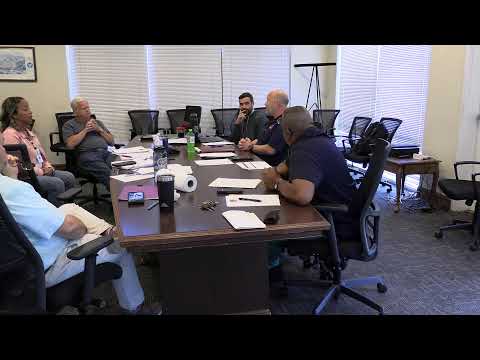
Commissioners spent significant time at the April 1 work session discussing a private proposal to commercially harvest spring water. The discussion focused on technical, legal and community‑impact questions: how much water would be withdrawn, who benefits, and whether the county should allow commercial extraction where nearby private wells or downstream users could be affected.
Key technical point discussed: staff described the company's planned withdrawal as roughly 68 gallons per minute, which the presenter equated to about 99,000 gallons per day. Commissioners and staff repeatedly emphasized the need for county‑funded due diligence — specifically, an independent hydrology study with the county engineer involved — before any local approval or permit is granted.
Legal and equity concerns: speakers noted that Georgia treats groundwater as a state resource but said local governments bear responsibility to guard against local harms. Commissioners raised the risk of unequal treatment if the county permits commercial withdrawal in one place and denies it elsewhere, citing litigation in nearby counties (Pike County was referenced) over similar permit disputes and equal‑protection claims.
Community and procedural steps: staff recommended an open forum on April 4 to hear the proposal publicly and gather input. Commissioners flagged multiple questions: who owns the water, whether withdrawal would reduce flows to neighbors' wells or creeks, monitoring and remediation commitments if homes lose water, and what local approvals (zoning or special conditions) would be required.
Next steps: commissioners asked staff to obtain independent hydrology review options, involve the county engineer during testing, and schedule a public information session; no permit or binding decision was made at the work session.
Attribution: the subject and technical numbers were presented by county staff and discussed by the chair and commissioners; residents' concerns were summarized by commissioners who received calls and emails on the topic.