Get Full Government Meeting Transcripts, Videos, & Alerts Forever!
Get email alerts on the Annexation topic
No spam. Unsubscribe anytime.
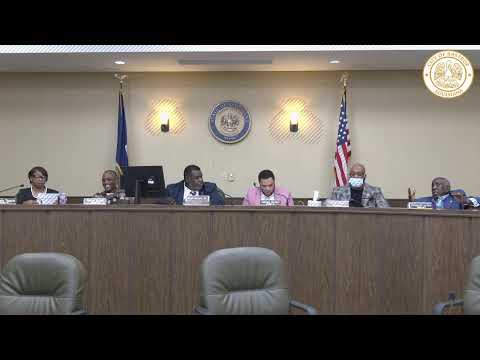
Council introduces annexation of proposed RV park amid debate over sewer service and tax revenue
Summary
The Bastrop City Council introduced Ordinance 26-4286 to annex land for a proposed RV park that would tap city sewer; councilors debated whether annexation is needed to extend sewer service, potential tax revenue, and alternatives such as a consolidated sewer district with the parish.
The Bastrop City Council on the motion calendar introduced Ordinance 26-4286, a proposal to annex territory adjacent to the city that developers say would host a 100-space RV park. The introduction starts the legal process that will include public notice, a hearing and a future council adoption vote.
Why it matters: Councilors and staff framed annexation as a choice between allowing an outside parcel to build a parish-managed sewer pond nearby or bringing the property inside city limits so it can tie into Bastrop’s sewer system and pay city taxes. Supporters said annexation would eliminate an unattractive sewer pond near residents and generate property tax revenue; opponents warned about long-term maintenance and enforcement risks for a high-turnover RV community.
At the meeting Attorney Jones explained the annexation mechanics under the cited state provisions and said the parcel was already permitted by the parish before appearing before the city. He advised the council that, if annexed, the property would transition to city taxation and that staff would obtain required certificates (tax status and voter-registration certificates) before adoption.
Councilman James Green asked directly whether annexation meant the RV park would begin paying city property taxes, noting residents’ concerns over service and nuisance risks. “So you saying by us annexing… they’ll be paying property tax?” he asked. The exchange highlighted a broader concern among council members about who would pay for and control sewer service and whether the city should absorb responsibility for a development that began under parish permitting.
Several council members urged caution: annexation triggers public hearings and legal steps, one member said, and the council should not endorse an outcome until the city confirms the sewer arrangements. Attorney Jones and staff said the alternative—allowing a parish sewer pond—would likely leave the smell and maintenance issue near existing residents, while annexation would convert the site into taxable property and allow the city to provide sewer service.
The ordinance was introduced, not adopted; the council committed to publish the required notices and hold a public hearing before any final vote. Staff said they would supply supporting documents, including tax certificates and any permits that accompanied the parish approvals.
Next steps: The council will publish the notice of annexation, take public comment at a hearing, and then consider final adoption at a future meeting. If approved, the city will receive tax revenues from the parcel but also assume permitting and oversight responsibilities for the development and its sewer connections.