Get Full Government Meeting Transcripts, Videos, & Alerts Forever!
Get email alerts on the Superintendent Evaluation topic
No spam. Unsubscribe anytime.
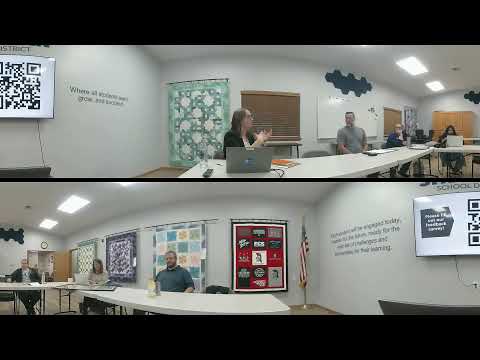
Workshop outlines superintendent-evaluation timeline, survey guidance for Sheridan SD 48J board
Summary
A facilitator briefed the Sheridan SD 48J board on a four-part evaluation process, advising targeted feedback surveys (recommended every two to three years), clear performance standards, and a timeline that supports a formal evaluation around a March 15 deadline.
A facilitator led a work session with the Sheridan SD 48J board explaining a four-part superintendent-evaluation process and advising that the board use targeted, infrequent feedback surveys, clear rubrics and a set timeline so evaluation ratings reflect evidence over time.
The guidance covered evidence of performance, self-evaluation, a targeted feedback survey and a public summary of results. The facilitator urged narrowing survey questions and audiences so responses relate to the superintendent’s actual performance, recommending targeted surveys “every two to three years” rather than annually and using trusted data collection (for example an HR specialist) to preserve respondent anonymity and candor.
The facilitator framed ratings as evidence-driven rather than task-oriented and recited the rubric in plain terms: “four is accomplished, three is effective, two is developing, one is ineffective,” and said boards should use patterns of evidence and impact over time rather than isolated examples when choosing a rating. She recommended narrowing survey questions to the top three performance standards so respondents focus on meaningful, observable behaviors and suggested surveying staff who regularly interact with the superintendent (cabinet, administrative directors) and community partners involved in district work.
On timing, the facilitator advised beginning planning in October, sending surveys in November with results back by December–January, and aiming to complete the formal evaluation process by a March 15 deadline the board uses for its evaluation cycle. She also noted that the timing of other events—collective bargaining or winter data lulls—can affect who responds and how candidly.
The session distinguished district (strategic) goals from superintendent goals: district goals set multi-year direction while superintendent goals are performance-focused, measurable and generally set after an evaluation. Board members were advised to limit superintendent goals to a small number (one to three) and to consider quarterly or at least midyear check-ins to track progress.
The facilitator stressed confidentiality for evaluative conversations and explained that detailed evaluation discussions are normally held in executive session ‘‘to protect that superintendent relationship’’ but also noted a superintendent can request a public evaluation. She offered follow-up resources, including slides and an OSBA webinar, and said she would forward materials and a session summary to the board.
Next steps recorded at the close of the session included scheduling a work session with the superintendent to clarify standards and rubrics, finalizing a timeline for survey questions and distribution, and using the session materials to set one or two focused goals for the next year. The group adjourned at 7:11 p.m.