Get Full Government Meeting Transcripts, Videos, & Alerts Forever!
Get email alerts on the Budget Fy27 topic
No spam. Unsubscribe anytime.
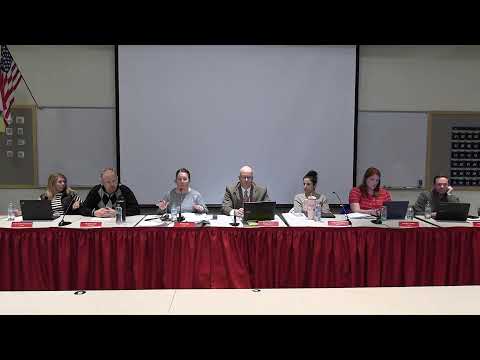
Bridgewater-Raynham committee approves FY27 budget, restores 10 teaching positions amid concern over class sizes
Summary
The Bridgewater-Raynham School Committee on March 25 approved a FY2027 budget that restores 10 teaching positions and uses $2 million from reserves, but members and public speakers warned the modest gains won’t fix years of cuts and high class sizes.
The Bridgewater-Raynham Regional School Committee voted March 25 to approve its fiscal year 2027 budget, a 4.92% increase that the district says restores 10 student-facing teaching positions while relying on a $2 million draw from reserves and increased assessments to the member towns.
Chair Rachel King opened the vote after a lengthy presentation by district staff. "The budget I'm presenting this evening ... restores 10 critical teaching positions to reduce class size and address the loss of electives and high school classes," the presenter told the committee. The package the committee passed shifts most of the funding burden to the towns: Bridgewater was cited as facing a 9.87% assessment increase and Raynham a 7.8% assessment increase.
Why it matters: Committee members, educators and parents repeatedly warned that the restoration is only a first step after the district lost roughly 72 positions over the past two years. Committee members said larger restorations would be preferable but that town revenue constraints and state aid increases are limited. "This approach only allows the towns to delay necessary and long overdue investment," said Mrs. Hoy Thomas, who said she would "be unenthusiastically voting yes to pass the budget." The budget leaves projected class sizes above many educators’ targets.
Key details: The committee approved a $2 million transfer from the district's Excess and Deficiency (E&D) fund to support the budget and voted unanimously on debt apportionments (total debt $3,938,337.50). When the operational budget was read aloud at the meeting the figure given for the operational total excluding debt and capital was read as "$103,791.89"; the committee proceeded with a roll-call vote and approved the operational portion by 7–1 (Mr. Salinas opposed). The meeting transcript records members clarifying that the number as announced had a typographical feel when read aloud; the committee moved forward with the roll-call and formal tally.
Budget trade-offs and risks: District leaders said they had cut non-student-facing costs where possible and included a 15% initial estimate for health insurance in the budget preparation, but they are seeking to reduce that estimate through negotiations. Superintendent Powers and other committee members said if town contributions remain at very low projected increases — town forecasts quoted in meetings ranged around 2.5% on the Bridgewater side — the district would likely have to leave retirements unfilled or take additional personnel reductions, reduce electives and increase fees for extracurriculars.
What happened next: The committee approved the E&D transfer and debt apportionments unanimously, then approved the operational budget by roll-call, 7–1. The vote sends the adopted budget language to the towns for the next steps of appropriation and review.
What’s next: Committee members underscored continued advocacy with town councils and state legislators for more funding; district leaders said students attending 'Day on the Hill' will raise budget concerns with state senators on March 30. The committee also scheduled a budget subcommittee debrief for April 6.