Get Full Government Meeting Transcripts, Videos, & Alerts Forever!
Get email alerts on the Utilities topic
No spam. Unsubscribe anytime.
Council receives water and sewer rate studies proposing multi‑year increases; Prop 218 process set in motion
Summary
Independent studies show the water and sewer funds face multi‑year shortfalls unless rates rise; the council voted to proceed with ordinance drafting and the Prop 218 public‑notice and protest process for both utilities.
Crescent City staff and independent consultants presented separate five‑year rate studies for the water and sewer utilities and the council voted to advance both studies into the Prop 218 public‑notice process.
Water: RCAC consultant Samantha Ryan reported that water sales revenue is projected to fall short of O&M and capital needs. The study recommends a multi‑year rate path that would raise the typical 3/4‑inch residential bill from about $22.49 per month to roughly $46 in year one under the study’s example schedule, with smaller increases in subsequent years. RCAC emphasized that the city must follow the Prop 218 procedure—mailing 45‑day notices, scheduling a public hearing and tabulating written protests—before any new rates are adopted.
Sewer: Willam Financial (WDAN) showed the sewer fund is in a structural deficit under existing rates and has not had an increase since 2015. The consultant recommended a rate path to rebuild operating and capital reserves, comply with loan covenants (minimum debt‑service coverage) and fund necessary rehabilitation work. The five‑year plan includes about $5 million in cash‑funded capital needs plus larger grant‑funded projects; the updated rates would aim to restore minimum debt‑service coverage (1.2) and target a healthier 1.5 coverage in later years.
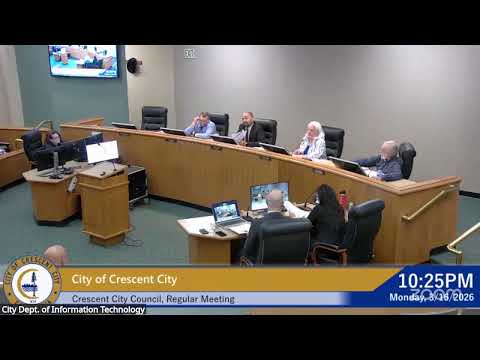
Council action: On both items the council voted to receive the studies and direct staff to prepare ordinances and Prop 218 notice materials. Staff outlined a likely schedule: ordinance introduction in early April, notices mailed mid‑April, and a public hearing in early June; if no majority written protest, the council could adopt rates for a July 1 effective date. Legal counsel and staff emphasized that Prop 218 allows written protest but requires a majority of affected property owners to block adoption.
Public reaction: Public commenters expressed alarm at headline increases but some business and development stakeholders said the shortfall is understandable given deferred maintenance and rising power and material costs; concerns were also raised about equity for low‑income residents and the county’s declining population limiting the customer base.
Why it matters: The studies set a path toward higher water and sewer bills in a community with elevated poverty and low median incomes; staff and consultants framed the increases as necessary to prevent catastrophic failures and to qualify for grants by keeping projects shovel‑ready.
Next steps: Staff will return with ordinance language and Prop 218 resolutions; notices will be mailed at least 45 days before the scheduled public hearing.