Get Full Government Meeting Transcripts, Videos, & Alerts Forever!
Get email alerts on the Demolition And Preservation topic
No spam. Unsubscribe anytime.
Mount Vernon board condemns three downtown buildings for demolition after safety reviews; preservation concerns raised
Summary
The Board of Property Maintenance and Appeals unanimously condemned three city‑owned downtown buildings north of 40 Public Square for demolition, citing structural instability and public‑safety risk after windstorm damage and inspections; residents and preservation advocates urged engineering studies and cost estimates before demolition.
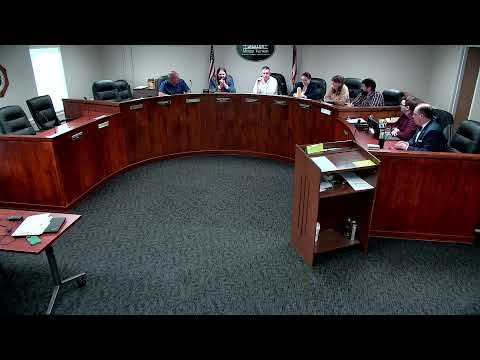
The Mount Vernon Board of Property Maintenance and Appeals on March 24 voted unanimously to condemn three city‑owned buildings north of 40 Public Square for demolition and directed staff to begin tenant relocations, asbestos abatement planning and contract procurement coordination with city council.
Staff described extensive deterioration in basement foundations, loose façade brick and cornice elements, water intrusion, exposed wiring and evidence of prior fire damage and mold. Brian Marvin and other city inspectors reported that windstorm damage in recent weeks revealed loose masonry and that scaffolding and netting were installed to reduce the risk of falling debris.
Fire department witnesses told the board that the hazards are severe enough that firefighting efforts would be defensive only; one fire official said that for these structures "it would be a defensive fire" and that crews would not risk entering the buildings. Staff also flagged asbestos in two of the three buildings as a complicating factor for demolition and abatement.
Mayor Matt Star, appearing as the owner representative, acknowledged the historic value of the buildings but said preservation "is not the same thing as preservation at any cost," urged expediency for public safety and noted the city had earlier assessments and three‑dimensional documentation of the structures. He said restoration costs could be prohibitive and that salvaging architectural elements could be considered prior to demolition.
Residents and preservation advocates urged the board to obtain structural‑engineering cost estimates and to present detailed dollar figures before signing demolition orders. Public commenter Stacy Varnner asked whether a structural engineer had been engaged and urged the board to compare restoration versus replacement costs; another resident noted the city paid several thousand dollars years earlier for emergency roof work and said more analysis is needed.
Board members discussed timelines ranging from 60 to 180 days; staff said demolition will likely exceed procurement thresholds and would require city council contracting and funding approval (staff referenced an estimate above the procurement limit of about $79,000). The board voted unanimously to condemn the properties and directed staff to proceed with relocation, asbestos abatement planning and council coordination for demolition contracts.
Next steps: staff will coordinate tenant relocation, complete asbestos abatement reports and present procurement and funding options to city council for contract approval before demolition work begins.