Get Full Government Meeting Transcripts, Videos, & Alerts Forever!
Get email alerts on the Measure C Replacement topic
No spam. Unsubscribe anytime.
Selma council hears competing Measure C replacement plans as activists press for local road repairs
Summary
On March 17, 2026 Selma City Council heard two citizen initiatives proposing replacements for Measure C — Better Roads & Safe Streets (30-year plan prioritizing neighborhood roads) and Fix Our Roads (20-year plan emphasizing regional connectivity). Council tabled action and will revisit the proposals April 7.
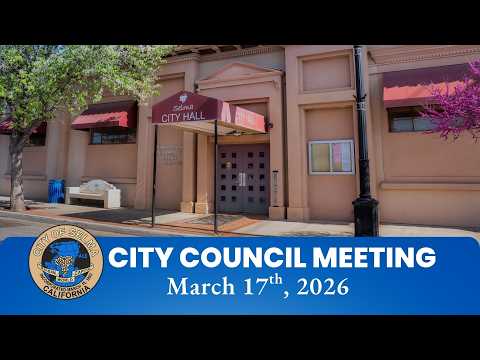
The Selma City Council on March 17, 2026 heard detailed presentations from two competing citizen initiatives that would replace Fresno County’s long‑running Measure C sales tax, with sharply different priorities for how millions in local tax dollars would be spent.
Better Roads & Safe Streets campaign representatives told the council their proposed 30‑year half‑cent sales‑tax extension would dedicate roughly two‑thirds of revenues to repairing local neighborhood streets and safety projects, and would give cities maximum flexibility over their allocations. "You will decide how to allocate the $111 million for the city of Selma," Veronica Garibby, a campaign representative, told the council, referencing the initiative’s estimate for Selma over 30 years. The plan also includes performance targets — a countywide pavement condition index (PCI) goal of 70, 120 miles of protected bike lanes and 150 Safe Routes to School projects over three decades — and guarantees for transit improvements and free fares for special populations.
A rival coalition, Fix Our Roads, argued for a different tradeoff. Malcolm Doerty, a lead presenter for that campaign, outlined a 20‑year renewal that would emphasize regional connectivity and major road projects that can leverage state and federal matching funds. "We’ve leveraged Measure C dollars to attract roughly $8 billion of additional funding over the last 40 years," Doerty said, urging councilmembers to weigh the value of regional projects that proponents say unlock larger outside grants.
The two measures differ on three clear points: time horizon (30 years versus 20 years), the share dedicated to neighborhood pavement versus regional capacity projects, and oversight/administration (the Better Roads plan names the Fresno Council of Governments as administrator with a public database and specific metrics; Fix Our Roads favors keeping the Fresno County Transportation Authority and a major regional fund). Andy Lavine, a lead spokesman for Better Roads, said his measure would create a flexible local pot while still requiring countywide accountability: "Voters deserve to know that if they vote for this, they're going to get some specific things out of it," he said.
Residents and councilmembers probed the numbers. One audience member, identifying himself as Nick, said the projected $111 million for Selma over 30 years "won’t go that far," noting population growth and construction cost inflation. Councilmembers sought clarity about who would administer funds, whether cities could spend directly on pothole repair and sidewalks, and how projects like the Floral Avenue/Route 99 interchange would be prioritized; presenters said cities would receive allocations each year to address local needs and could apply for competitive regional funds for larger projects.
Several speakers raised accountability and consultant‑cost concerns. A Better Roads proponent noted that Fix Our Roads’ plan allows up to 5 percent (as described in their materials) for program management and consultant fees, while Better Roads caps admin at 1 percent. Fix Our Roads’ presenters disputed the criticism and said their plan preserves established oversight while providing stronger regional leverage.
The council did not take a vote. Members asked staff for more time to study the measures and agreed by consensus to return the item for direction at the council’s next meeting on April 7. No formal endorsement or resolution was made; councilmembers said they wanted to better understand local impacts, administrative arrangements and how each plan would affect Selma's immediate pavement needs.
What’s next: The two initiatives continue signature‑gathering and campaign outreach. The council will revisit the matter at its April 7 meeting, with staff to provide more detailed cost and allocation information for Selma and any recommended local positions or technical comments the city may want to forward to Fresno County.