Get Full Government Meeting Transcripts, Videos, & Alerts Forever!
Get email alerts on the Litigation topic
No spam. Unsubscribe anytime.
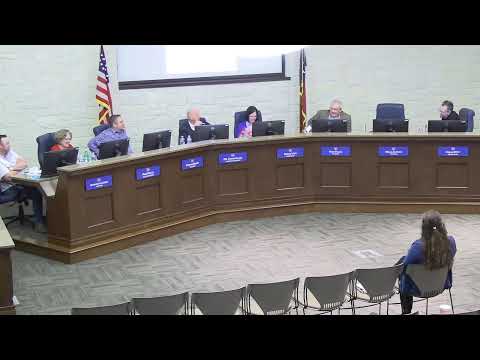
Midway ISD to pursue social-media litigation; board approves contingent-fee counsel agreements
Summary
Superintendent Dr. Allen outlined multi-district litigation efforts against social-media platforms and the expected administrative burden; trustees adopted a resolution and approved contingent-fee legal agreements with named firms to join litigation, with staff warning of a 30–50 hour information burden and uncertain outcome.
Superintendent Dr. Allen briefed trustees on a proposed class-action-style litigation effort aimed at holding social-media companies responsible for harms to students’ mental and emotional health, and the board approved resolutions and contingent-fee legal agreements to pursue that option.
Dr. Allen explained the consolidated, multi-district approach would allow common fact issues to be presented in a single federal forum; district staff said there are no upfront legal fees for joining and that attorneys typically work on contingency but that participation requires a time commitment (an estimated 30–50 staff hours responding to discovery and plaintiff fact sheets). The presentation cited national activity and a New Mexico award example; administrators cautioned results and awards are uncertain and participation can be ended later if the administrative burden grows.
The board adopted a resolution authorizing submission to the Texas Attorney General for expedited review of a contingent-fee legal services contract and then approved contingent-fee agreements with Thompson & Horton LLP and several partner firms to represent the district in the consolidated litigation. The motion and subsequent agreement votes were recorded in open session.
Dr. Allen said the district’s interest is to recover costs associated with additional counseling, threat assessments, staff time and other student-support services allegedly driven by social-media harms. He framed the decision as low financial risk (no upfront fees) but with staff time requirements and uncertain outcomes.
Trustees asked about estimated recoveries and staff impacts; administrators said previous settlements in other states may serve as examples but outcomes vary. The board directed staff to begin the work with counsel and to monitor administrative burden, with the option to withdraw if participation becomes impractical.