Get Full Government Meeting Transcripts, Videos, & Alerts Forever!
Get email alerts on the Kidney Screening Education topic
No spam. Unsubscribe anytime.
Witnesses urge expanded screening and education to catch kidney disease earlier
Summary
Witnesses recommended expanding kidney disease education to earlier stages, partnering with primary care for screening (particularly among people with hypertension or diabetes), and promoting home dialysis and preemptive transplants as cost- and health-improving strategies.
Witnesses told the committee that earlier detection and broader patient education could improve outcomes for people with chronic kidney disease and reduce long-term costs.
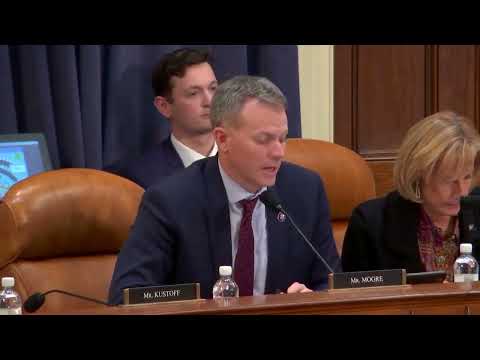
Asked how Congress could better align incentives to promote education and early detection, a witness answered, “first of all, there has to be education upfront... make sure that our community is partnering with primary care and giving incentives to make sure you're doing appropriate screening... for people with chronic illness already such as hypertension or diabetes, they should be screened.” The witness said expanding a kidney disease education benefit to include stage 3 as well as stages 4 and 5 would allow more patients to choose optimal treatments earlier.
Witnesses framed several possible benefits from earlier education and screening: increased rates of preemptive kidney transplant, which can prevent the need to start dialysis; higher uptake of home dialysis therapies, which can improve quality of life and reduce costs; and better-informed patient decision-making.
The committee discussed how incentives might be structured to encourage primary care screening for at-risk patients and to expand education benefits beyond late-stage disease. Witnesses cautioned that payment and workforce issues must be addressed in parallel to ensure capacity for any shift in care settings.
The hearing continued with follow-up questions from committee members about aligning incentives and how education programs could be implemented.