Get Full Government Meeting Transcripts, Videos, & Alerts Forever!
Get email alerts on the Medicare Reimbursement topic
No spam. Unsubscribe anytime.
Witnesses say Medicare dialysis reimbursements fall short, threatening rural clinic closures
Summary
Witnesses told a congressional committee that Medicare reimburses dialysis providers at rates below the cost of care, creating staffing and financial pressures that could force closures in rural communities and limit patient access.
Witnesses told a congressional committee that Medicare reimbursement rates for dialysis care are sometimes below providers’ costs, putting facilities — particularly in rural areas — at risk of closing.
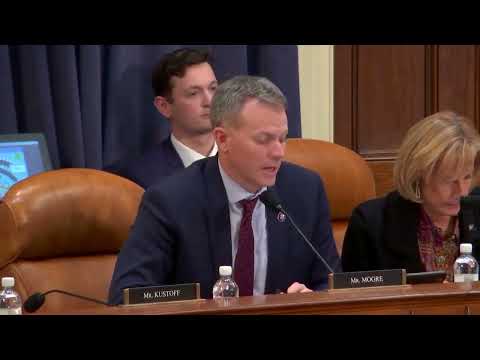
Congressman Warren opened the exchange by noting that “90% of all dialysis patients are Medicare beneficiaries. Medicare covers them regardless of age. Yet Medicare reimburses dialysis providers at rates below the cost of providing care,” and asked providers how the ESRD payment bundle could better spur innovation and sustain access.
“...reimbursement rates for Medicare patients can at times be below how much money we’re spending to care for a patient,” said Dr. Taylor, a representative of a not-for-profit dialysis provider. He said annual updates to payments may not cover year-to-year shortfalls and that staffing shortages since COVID have made it hard for providers to compete for patient care technicians. “If reimbursement isn’t adequate for us to be competitive in the employment environment in a community we will… have the risk of losing and not being able to provide care,” he said, warning rural units are particularly vulnerable.
Committee members highlighted the fiscal scale of ESRD treatment: witnesses and members noted the program is costly to taxpayers and to patients’ quality of life, and they pressed witnesses on how payment policy could encourage more efficient care models without reducing access.
The witnesses framed two staffing- and payment-related drivers of access risk: (1) payment levels that do not cover the full cost of care for some providers, and (2) competition for trained technicians from hospitals and local employers. Dr. Taylor said not-for-profit providers can make long-term planning decisions but still face unsustainable operating conditions if reimbursement lags.
The committee did not take formal action during this exchange; discussion moved afterward to screening and education strategies intended to reduce later-stage disease and potentially lower long-term costs.
The hearing proceeded to additional questions about screening and early-detection incentives.