Get Full Government Meeting Transcripts, Videos, & Alerts Forever!
Get email alerts on the Planning Priorities topic
No spam. Unsubscribe anytime.
Layton councilors outline priorities: active-transport plans, PRD limits, water-smart landscaping and improved accessibility
Summary
Council members prioritized integrating active transportation into road planning, tightening planned residential development (PRD) rules, addressing topsoil removal and water-wise landscaping, exploring a dedicated communications function, and improving building accessibility.
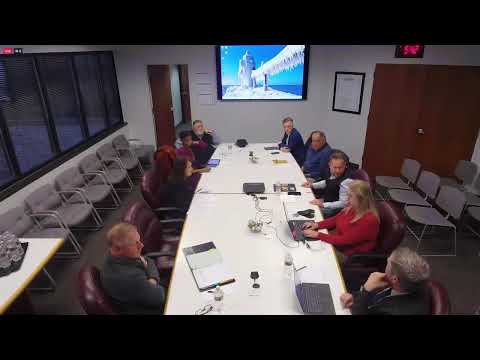
Council members spent a sizable portion of the work session listing and debating near‑term priorities they want staff to convert into work‑plan items for the coming budget cycle.
“We want to let planning staff give us ideas from a legislative standpoint,” one council member said during a broad discussion of PRD rules and development exceptions, urging the council to request an ordinance that narrows or clarifies qualifying criteria. Council member Zach warned that, in some cases, “the exception has swallowed the rule,” arguing the city should tighten standards so development follows the general plan rather than routinely seeking exceptions.
The council also emphasized active transportation: members asked staff to better integrate active‑mobility goals, trail connectivity and safe‑routes‑to‑school planning with street project prioritization. Staff noted an on‑going regional training and a dedicated downtown code rewrite to tighten design standards for the station area.
Several members raised water and landscaping concerns. One member recounted having topsoil removed from a newly built lot and asked whether the city could restrict that practice; legal and planning staff said vested subdivisions are governed by current ordinances but that landscaping and water‑wise standards (already required for certain planned developments) could be reviewed and potentially tightened. Members emphasized that landscaping choices affect long‑term residential water bills and municipal operations.
Councilors also discussed non‑infrastructure priorities: creating a dedicated communications position or team to centralize outreach, re‑reviewing ramp bylaws reauthorization language, and improving interior and exterior accessibility for residents with limited mobility. Parks and recreation staff flagged the city’s role in American 250 commemoration and a possible commemorative element connected to the Freedoms Plaza conversation.
Councilors agreed to compile the list of items for staff to prioritize and to follow up in future meetings and the budget process.