Get Full Government Meeting Transcripts, Videos, & Alerts Forever!
Get email alerts on the Transportation topic
No spam. Unsubscribe anytime.
County weighs buying wheeled excavator and whether to own a paint-striping truck
Summary
Road Department requested approval to buy replacement equipment including a wheeled excavator and discussed whether Chilton County should buy a paint-striping truck or contract striping work; commissioners raised concerns about cost, maintenance downtime, and liability for work outside the county.
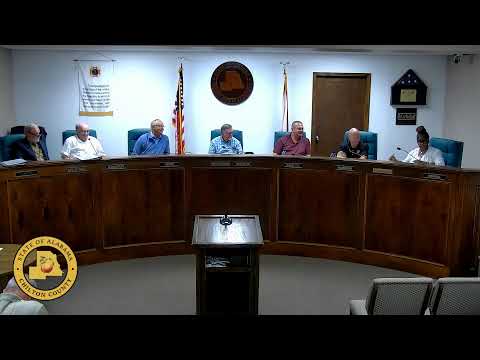
Chilton County’s Road Department presented multiple equipment requests at the March 30 commission meeting and prompted a larger procurement discussion about roadway striping.
Staff sought approval to replace routine mowers and to buy a wheeled excavator (staff said the unit would be slightly used). Road staff reviewed prior purchases charged to the equipment budget, citing a backhoe (about $166,000) and a track excavator (about $308,000). Commissioners also discussed holding off on some purchases and reallocating funds for higher-priority items.
A major point of debate was whether the county should purchase a dedicated paint-striping truck. Commissioners and staff discussed reported price ranges: standard striping trucks in informal quotes of roughly $250,000–$350,000 and specialized thermoplastic units up to about $900,000. Supporters noted that owning equipment could let the county stripe on its schedule; critics warned owning such a vehicle introduces heavy operations, frequent cleaning and maintenance, downtime, staffing and training demands, and liability when operating in other jurisdictions.
Staff pointed out county-size and staffing realities: contracting a large, half-million-dollar striping project might be faster and avoid tying up county crews and equipment. Commissioners asked staff to gather additional cost, liability and mutual-aid information before deciding; one commissioner noted existing mutual-aid agreements may reduce inter-county liability but said formal verification from legal counsel was needed.
No binding procurement approvals were recorded during the meeting. Road staff will return with updated price quotes, liability checks, and recommendations for prioritizing equipment purchases in the next budget cycle.