Get Full Government Meeting Transcripts, Videos, & Alerts Forever!
Get email alerts on the Public Art topic
No spam. Unsubscribe anytime.
Commerce City Cultural Council votes to dissolve nonprofit, asks council to create a city cultural commission
Summary
Cultural Council members voted to dissolve their 501(c)(3) and requested that city council create a formal, codified cultural/public‑art commission so staff can provide grants, legal counsel, and administrative support directly.
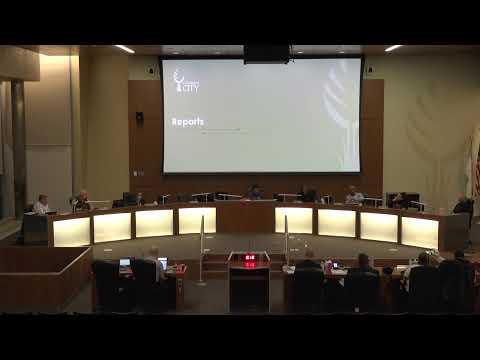
At the March 30 study session, the Commerce City Cultural Council's history and future role were the subject of a staff briefing and a unanimous vote by council‑appointed members to dissolve their independent nonprofit and seek incorporation into city code as an official commission.
Assistant City Manager Dylan Gibson reviewed the council's 1991 founding as a nonprofit (articles of incorporation) that used city facilities and staff support. Gibson said the nonprofit structure has required Cultural Council volunteers to secure grants, manage bank accounts and engage outside counsel at times, while the city has continued to provide significant staff time and facility support. "Cultural Council was founded as a separate and distinct legal entity from the city," Gibson said, but added that the current close relationship means codifying the council as a formal city commission would reduce legal and administrative friction.
Cultural Council vice chair Jackie Gonzalez spoke in favor of the change, thanking staff liaison Melissa Sumner for her support and urging the council to formalize the arrangement so the group can focus on programming and public art. "We cannot do what we do without her support," Gonzalez said of the staff liaison role.
Dylan Gibson explained the practical steps: city council would adopt an ordinance creating a commission in city code that codifies membership, duties (recommend procurement of public art, review the public art master plan, lead music‑in‑the‑park programming, and partner on grant applications), and preserves Cultural Council's 2026 SCFD (Scientific and Cultural Facilities District) grant eligibility if timing is coordinated around the summer concert season. Gibson also noted the Cultural Council's articles specify remaining funds would revert to the city after dissolution and payment of obligations.
What's next: staff will draft an ordinance and timing to preserve 2026 SCFD funding and to retain existing members where feasible. Council members discussed adding the historic society to the same structure and asked staff to begin conversations with that group.
Why it matters: formalizing the Cultural Council as a city commission consolidates grant administration and legal support under city staff, reduces volunteer legal burden, and clarifies procurement and program duties for public‑art and cultural events.