Get Full Government Meeting Transcripts, Videos, & Alerts Forever!
Get email alerts on the Public Safety topic
No spam. Unsubscribe anytime.
Orinda police report cites crime drops and expanded camera network as residents debate privacy safeguards
Summary
Police Chief Rossy's annual report credited proactive policing and new license-plate-reader cameras with sharp drops in property crimes; public commenters and some council members raised concerns about vendor oversight, data-sharing and audit frequency for the LPR system.
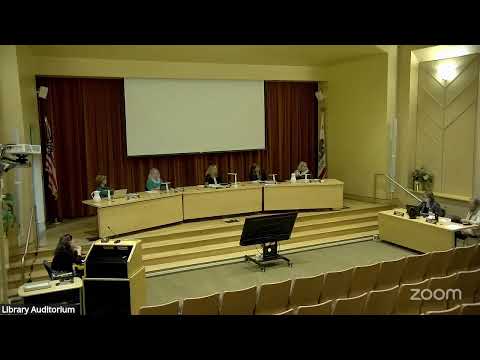
Orinda Mayor Iverson presided as Police Chief Rossy delivered the Orinda Police Department's annual report, highlighting reduced residential and auto burglaries and recent investments in technology, community outreach and traffic enforcement.
Rossy said the department has expanded staffing and equipment this year and described a rollout of a 25-camera license-plate-reader (LPR) system managed through the sheriff's office, new drones, improved e-citation software and other tools aimed at speeding investigations and deterring crime. "As of August of 2025, we've had 14 arrests directly resulting from those cameras," Rossy told the council, adding that the system retains video data for 30 days and that an audit trail of all access is maintained indefinitely.
Why it matters: The LPR cameras are central to the department's recent reductions in property crime, Rossy said, but the technology also raised privacy and oversight questions from residents and several council members. Citizens and outside speakers urged the council to adopt frequent audits and tighter vendor oversight; supporters countered that the cameras deter criminal actors and help recover stolen vehicles.
Key details from the presentation: Rossy credited a combination of community outreach (Citizens Academy, National Night Out, school programs), quarterly interagency traffic enforcement and targeted enforcement for a drop in residential burglaries (from 15 in 2024 to 2 in 2025, per the chief's slides) and a fall in stolen vehicles (from 17 to 5). He described technical safeguards and operational rules: the LPR software is hosted and administered by the county sheriff under contract; neighboring law-enforcement agencies may request data but must submit a case number and justification and are subject to an audit trail; retention of raw LPR data is 30 days.
Council and public reaction: At the public podium, Jeff Bloom provided a packet of reports and a company patent he said raised questions about the vendor Flock Safety's surveillance features, previous contract reversals in other cities, and potential for broader lookups beyond local investigations. Bloom asked the council to require a Type 2 SOC or similar vendor audit and to increase the frequency of access reviews. "Methods and procedures can be monitored with Flock," Bloom said as he urged oversight.
Other speakers pushed back: another resident said he saw no privacy violation in license-plate capture of vehicles in public streets and urged the council not to be complacent about safety. Multiple council members asked Rossy to document existing safeguards and consider more regular (monthly or quarterly) audits, while also acknowledging the operational benefits Rossy attributed to the LPR network.
What the city will do next: Council members requested follow-up materials from the chief and staff showing who currently has access, the audit schedule used by the sheriff's office, and retention and sharing policies. The item remains a council priority for additional documentation rather than immediate policy change.
Ending: The council thanked the chief for community outreach efforts such as the Citizens Academy and school safety programs and directed staff to return with more documentation on oversight and potential further steps.