Get Full Government Meeting Transcripts, Videos, & Alerts Forever!
Get email alerts on the Pavement Management topic
No spam. Unsubscribe anytime.
Select board backs five‑year, $25 million pavement plan; members debate scope and financing
Summary
After a lengthy CIPC presentation and public comment, the Select Board voted to support Article 13 as printed — a proposed five‑year, roughly $25 million pavement‑management program covering major/minor rehabs, preventive and routine maintenance plus sidewalks — while members debated borrowing vs. operating budget treatment for recurring maintenance.
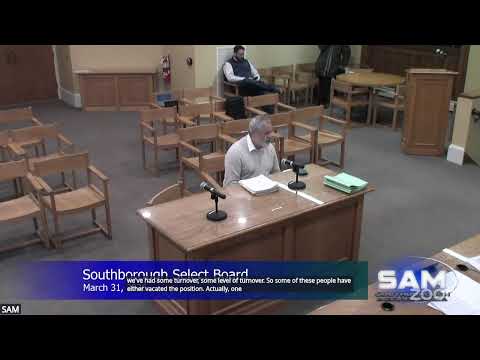
The Select Board voted on March 31 to support Article 13 on the Town Meeting warrant, a multi‑year pavement‑management plan staff presented as necessary to arrest decades of deferred maintenance and preserve the town’s road network.
What the plan covers: DPW staff outlined a five‑year program of major and minor roadway rehabilitations, targeted preventive maintenance (chip seals, crack sealing) and routine maintenance, plus four sidewalk projects that together total about $2.5 million in year‑one costs. The full five‑year authorization in the warrant was described in the meeting record as roughly $22–25 million depending on final scope and contingencies.
Why it matters: Presenters and engineers said preventative work is far cheaper than wholesale reconstruction: crack sealing and targeted maintenance extend pavement life and reduce long‑term costs. Board members and public speakers cautioned that short‑term spikes in oil and asphalt prices and interest‑rate uncertainty could raise actual construction costs above the estimates presented.
Key debates: Several Select Board members argued for asking Town Meeting for the full five‑year authorization so the town can act decisively and avoid repeat special requests later. Other members proposed scaling back or shifting the preventive and routine maintenance components back into the annual operating budget—arguing that recurring maintenance should not be financed long term and that borrowing for short‑lived work could conflict with the town’s debt policy.
Representative quotes: "We tried balancing each year so that the $25 million request is evenly dispersed over those five years," DPW staff said when outlining Year‑1 priorities and candidate streets. "If we take the money now and not fund routine maintenance year to year, we'll be back in the same place again," one select board member said during debate, urging routine maintenance be restored to operating budgets.
The vote and next steps: After extended discussion and public input, the Select Board passed a motion to support Article 13 "as printed" on the warrant and asked town counsel to confirm that the bond authorization would allow necessary related work (culverts, drainage and sidewalks) as part of road projects. If Town Meeting approves the authorization, DPW will proceed with designs and procurements year by year; staff warned that contingency plans may be needed if asphalt prices or unforeseen underground repairs increase costs.
What the public heard: Local engineering consultants and residents emphasized that a comprehensive, properly funded program is necessary to protect the town’s capital asset of streets and to support pedestrian safety projects that improve the town’s chance for state grant funding.
What remains uncertain: Presenters noted assumptions in the plan are based on current material and labor costs; the meeting record shows select board members asked for explicit contingency language and clearer legal confirmation that the bond language will allow use of proceeds for drainage and other ancillary work where needed.