Get Full Government Meeting Transcripts, Videos, & Alerts Forever!
Get email alerts on the Milton Grants topic
No spam. Unsubscribe anytime.
Board approves multiple Milton grants but larger awards draw calls for clearer public detail
Summary
The commission approved a string of community grant awards after on-the-floor amendments, while several larger grant requests prompted questions about transparency and documentation; one larger request failed and will be reconsidered.
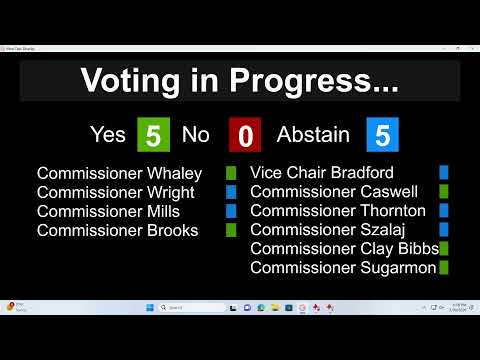
Shelby County commissioners approved a large slate of Milton Community Enhancement Grant awards at the March meeting, including increases added on the floor; but a number of larger awards drew pointed questions from colleagues demanding clearer documentation of how grant dollars will be used.
Several grants were amended and approved during the consent and regular agenda. Examples include awards to Urban Promise 901 (amended up to $10,500), various youth- and arts-focused organizations, and a $14,500 award to the YMCA of Memphis and the Midsouth after a floor amendment. Many awards were in the $2,500–$25,000 range, consistent with the Milton grant program’s usual levels.
Larger requests prompted additional scrutiny. A $65,000 request from SPW Community Strategies (sponsored from a commissioner discretionary allocation) was discussed and ultimately failed earlier in the meeting; the sponsor later moved to reconsider but the item failed on the floor. Commissioner Thornton and others asked whether applications for larger sums should present more complete budgets and measurable outputs so the public can see what each dollar will buy.
Commissioner Caswell, who chairs the Milton grants committee as vice chair, said grant applications and supporting materials are available in county grant files and that staff will provide requested documents for any commissioner or member of the public who asks. County staff confirmed application materials and award exhibits are on file in the county grant system and available via the grants coordinator.
Supporters of the grants emphasized neighborhood-level impact: youth programs, workforce training, community festivals and health outreach were among the projects funded. Several commissioners used their discretionary allocations to increase awards on the floor for organizations in their districts. The board recorded multiple amended totals and votes; the majority of the grants advanced after short debate.