Get Full Government Meeting Transcripts, Videos, & Alerts Forever!
Get email alerts on the Municipal Budget topic
No spam. Unsubscribe anytime.
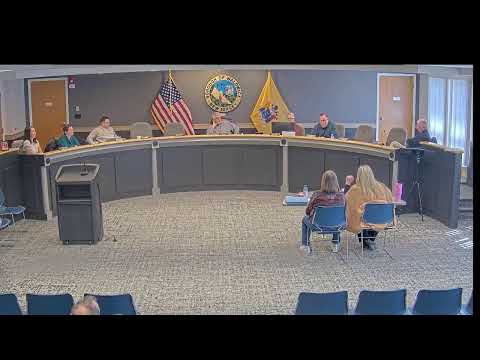
Waldwick council reviews 2026 budget as auditors warn of shrinking reserves, weighs 10% tax levy option
Summary
Borough officials reviewed the proposed 2026 operating budget and an auditor model that would require a large tax‑levy increase or deeper cuts to avoid drawing reserves to dangerously low levels; staff cut a $192,000 terminal‑leave line to meet statutory caps.
WALDWICK — Borough officials reviewed a proposed 2026 operating budget on the evening’s council agenda and discussed options to close a roughly $2.5 million gap between projected spending and revenues.
Tatiana, the borough administrator, told the council the 2025 adopted budget served as the baseline for the 2026 proposal and that staff and the auditor had reviewed the document line by line. She said the auditor flagged two statutory limits — the appropriation cap and the tax‑levy cap — and staff removed a $192,000 terminal‑leave line and made other adjustments to comply.
Why it matters: The council heard two auditor scenarios for addressing the shortfall. One model that staff presented assumes a 10% municipal levy increase for 2026; a lower 7% increase would require roughly an additional $250,000 in cuts, officials said. Council members and staff warned that continuing to use surplus at the current trajectory could substantially deplete reserves within the next decade.
The most pressing drivers are salary and benefits, council members and staff said. One presenter identified salary and wages and group health insurance as the two largest increases: together they account for about $570,000 of the proposed $766,000 appropriation increase. Tatiana said the health‑insurance line is split across departments and that state and market forces have pushed premiums sharply higher.
On the scale of impact, Tatiana estimated that a 10% municipal levy increase would add about $280 a year for the average Waldwick homeowner (based on the borough’s stated average assessed value). Officials emphasized this is the borough’s portion of a homeowner’s tax bill; school and county levies would add to any final amount.
Council members repeatedly warned that cutting more lines to avoid a tax increase would likely require reductions in services or staff. “We don’t have much wiggle room,” one member said; staff noted years of tight management and transfers between lines have already reduced flexibility.
Longer‑term choices discussed included reducing the capital program (to lower bond needs and interest costs), seeking redevelopment to expand the tax base, and reviewing major assets such as the water system for possible options to shore up long‑term finances. Presenters cautioned that many grant sources are capital‑specific and cannot be used to pay routine operating costs such as employee wages.
Next steps: The council scheduled formal introduction of the budget for the March 24 meeting, with a public‑hearing and additional opportunities for public comment in April. If the council chooses the 10% scenario, the administration will include that number in the introduced budget and present slides and supporting schedules to residents at the public meeting.
The meeting closed with procedural items and a motion to adjourn.