Get Full Government Meeting Transcripts, Videos, & Alerts Forever!
Get email alerts on the Assessment Calendar topic
No spam. Unsubscribe anytime.
Research office unveils assessment calendar and Power BI monitoring to link tests to board goals
Summary
Long Beach Unified's research office presented a new public and internal assessment calendar and district dashboards built in Power BI to help principals and the board monitor progress toward goals, while acknowledging tensions over assessment frequency and instructional time.
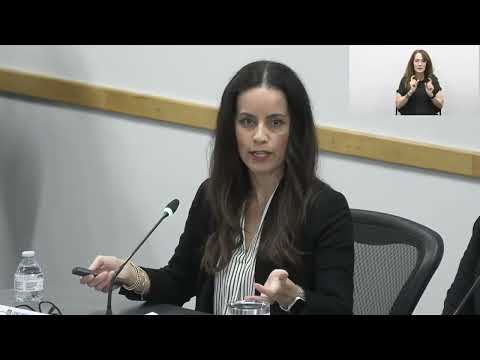
The district's research office outlined a new assessment calendar and a public-facing data system on Power BI intended to connect classroom assessments to the school board's goals and make monitoring more timely and transparent. Dr. Madrigal, who led the presentation, said the work aims to give staff, principals and parents clear, multilingual information about when assessments are given and what each test measures.
"When parents click on a test name it takes them to the research page and they can change the language," Madrigal said, noting the calendar will be available in nine languages and that the district has created separate internal and public calendars so staff can see when data will be available for site planning.
The presentation traced the district's assessment history from Scantron and Synergy to current platforms and described the Power BI rollout that began in May 2023. Power BI pages were developed to present district, site and student-level views and to surface which assessments are tied to board goals. Madrigal said administrators can drill into indicators, create shared documents and keep notes that feed back into subsequent data cycles.
Board members pressed for specifics about assessment burden and instructional days. Madrigal acknowledged the tension: some tests are required by state policy while others are intended to inform instruction. She explained the district gives windows for some measures (an example cited was a three-week window for i-Ready) so sites can choose timing that minimizes instructional disruption and said staff are discussing narrowing windows from three weeks to two.
District staff also described a protocol developed to guide data conversations and ensure teams focus on student-centered questions and actions rather than raw scores. The research office emphasized that the internal calendar indicates when data will be posted so principals can plan data nights or staff inquiry rather than waiting on formal reports.
The office said the public calendar will identify which assessments influence board-level goals and which are formative; where state mandates apply those items will be shown as required. Staff said the goal is to reduce confusion about differing assessment purposes and to provide actionable, school-level dashboards that feed supervisory conversations.
Next steps include continued adjustments to assessment windows, communication plans for families, and tying Power BI pages to the quarterly monitoring report the board will review later in the day.