Get Full Government Meeting Transcripts, Videos, & Alerts Forever!
Get email alerts on the Dna Database topic
No spam. Unsubscribe anytime.
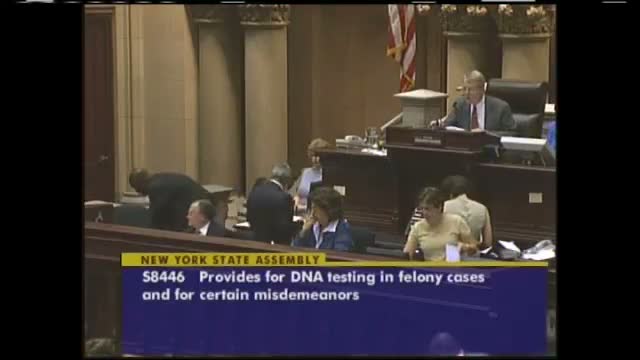
Assembly expands DNA data collection after privacy debate; bill passes
Summary
Following hours of debate about privacy and scope, the Assembly approved a compromise expanding the state DNA databank to include additional felonies and selected misdemeanors; backers said it will help convict repeat offenders and exonerate the innocent.
The Assembly approved legislation to broaden the state’s DNA collection for criminal cases after members offered lengthy, often emotional explanations for their votes.
Lawmakers who opposed a broader, earlier proposal said they worried about privacy and the potential for young people or protestors to be swept into a database for minor offenses. “My DNA can tell you a lot of things about me,” one member said during debate, arguing for caution on scope because DNA can reveal medical and family information.
Supporters described the measure as a crime‑fighting and prevention tool. Several members recounted cases in which DNA evidence later identified repeat offenders, helping to prevent further crimes and to exonerate the innocent. “This bill will be responsible for putting criminals behind bars, but it will also be responsible for exonerating the innocent,” one proponent said on the floor.
The final bill was presented as a negotiated compromise: it covers all felonies and a subset of misdemeanors selected during conference negotiations, while excluding other lower‑level offenses that drew the most privacy objections. Members who remained uneasy cast reluctant affirmative votes but urged future review.
The Assembly recorded a roll call on the measure and passed it; sponsors said they expect further administrative work on implementation and reporting.