Get Full Government Meeting Transcripts, Videos, & Alerts Forever!
Get email alerts on the Trash Collection Policy topic
No spam. Unsubscribe anytime.
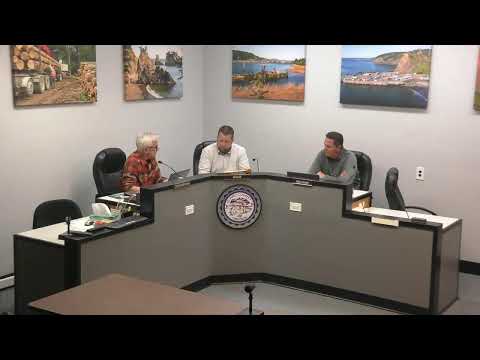
Curry County workshop seeks county-approved volunteer trash pathway as CTR warns of mounting costs
Summary
Curry County officials discussed creating a county-approved volunteer trash-collection approval so volunteers can drop material at CTR, voiced liability and sustainability concerns for CTR’s current practice of funding removals, and asked staff to draft a policy statement to seek regulatory relief for rural counties.
The Curry County Board of Commissioners’ workshop focused on follow-ups from prior meetings and a plan to establish an officially approved pathway for volunteer trash collectors to drop material at CTR.
The Chair said the county would need to formally approve a volunteer effort so "people would volunteer with the county" and CTR could accept their drop‑offs. "What we would need is that we would need this this board to, to essentially approve, the formation of this volunteer effort," the Chair said, describing the county role as one that could register or approve individual volunteers or groups for CTR acceptance.
Committee members pushed back with liability and coordination questions. "If we brought it on at the county level... where we go taking on that liability for it too," one Committee member asked, pressing whether the county would be responsible for coordinating volunteers or effectively "hiring a volunteer." The Chair acknowledged the tension and said they would consult with Ken at CTR and return with a proposed pathway at the next meeting.
A longer exchange laid out how volunteer programs currently operate in nearby Gold Beach, where some volunteers use their own trucks for weekly pickups while CTR supports occasional large cleanups. Speaker 3 said CTR has two pathways: individuals or groups can establish legitimacy through a verifying letter or other documentation, and CTR will then accept the named person or group as an approved drop‑off agent.
Speaker 3 also warned that CTR has been covering the cost of many removals directly and that the status quo may be unsustainable. "CTR is funding all of this trash removal off of their balance sheet," the speaker said, adding concern that creating a formal county pathway could create a countywide incentive for ad hoc drop‑offs and erode CTR’s paid client base.
Officials flagged another related problem: vehicles and larger items associated with homeless camps. Those removals require heavy‑lift, hazmat capability and specialized vendors that small rural counties lack. Speaker 3 said the county lacks intergovernmental agreements (IGAs) with agencies such as ODOT and the Department of Environmental Quality and suggested the county pursue IGAs or other leverage to secure funding or operational support.
As a concrete next step, Speaker 3 described a specific request from CTR staff members Tiffany, Ken and someone referenced as "Court": the Curry Board of Commissioners should draft an outline of a policy statement that CTR and others could take to state agencies to explain how regulations designed for high‑density areas create disproportionate burdens in low‑density rural counties. Speaker 3 said they would continue work with CTR and other counties and bring proposals back to the board.
The Chair said an email update could be circulated to interested volunteers and stakeholders and adjourned the meeting at 01:25.