Get Full Government Meeting Transcripts, Videos, & Alerts Forever!
Get email alerts on the Data Centers Crypto topic
No spam. Unsubscribe anytime.
Douglas County commissioners split review: data centers, crypto mining to be studied separately
Summary
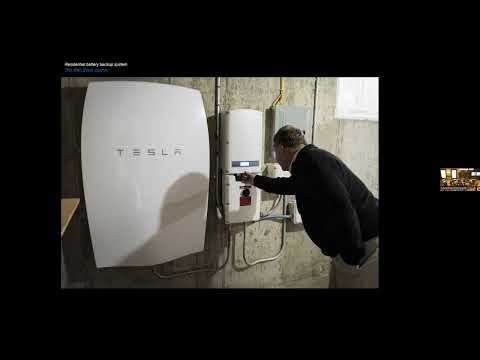
After a May 6 work session, Douglas County commissioners agreed to separate data‑center and digital asset retrieval (crypto) regulation from battery energy storage and asked staff to seek legal guidance on moratoria and bans, plus broader stakeholder outreach and public comment opportunities.
Douglas County commissioners on May 6 agreed to treat data centers and digital asset retrieval (including cryptocurrency mining) as a separate policy track from battery energy storage systems and to ask staff and legal counsel to provide guidance on moratoria and the county’s authority to prohibit certain uses.
During the staff presentation, Carl described data centers as facilities housing rows of computers that store and process data, noting they can range from thousands to millions of square feet and may use substantial water and power. He told the Board that some hyperscale facilities can use large volumes of water for evaporative cooling while other designs are closed‑loop and use far less.
Commissioners raised infrastructure concerns — water, wastewater, stormwater, roads and electric capacity — and several questioned whether the unincorporated county could realistically host hyperscale data centers without annexation and substantial utility upgrades. One commissioner argued that data centers and crypto mining are ‘‘very different animals’’ from BESS and recommended separate treatment.
Chair and multiple commissioners supported splitting the original initiated text amendment into two efforts: continue the BESS text amendment track and separately study data centers and crypto mining with more detailed stakeholder outreach. Commissioners asked staff to consult legal counsel about whether a moratorium or an outright ban is legally feasible and what the difference would be between a nonpermitted use and a formal prohibition.
Commissioners directed staff to return with additional research — including the Clarion diagnostic results expected in roughly 60–90 days — and suggested bringing the data‑center topic to a business meeting so the public can comment. The work session produced no formal votes; staff will draft any proposed text amendments and follow the planning commission public process if and when drafts are ready.