Douglas County staff to draft BESS zoning rules after work session
Summary
At a May 6 work session, planning staff described battery energy storage systems (BESS), flagged fire‑safety, water and infrastructure concerns, and said a text amendment initiated in 2024 will guide new permitting. Commissioners directed staff to continue drafting BESS regulations and public review.
Douglas County commissioners on May 6 heard a staff briefing on battery energy storage systems and asked planning staff to draft zoning standards to guide future proposals, staff and commissioners said.
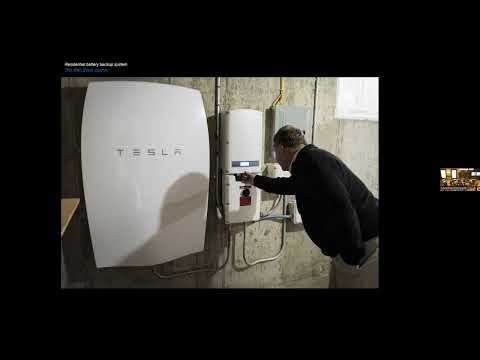
Carl, a county planning staffer, told the Board the county initiated a text amendment in July 2024 to address BESS, data centers and digital asset retrieval uses and that “no application has been received…no specific site is being considered, and I’m also not presenting any draft code language tonight.” He described BESS as ranging from small home backup systems to grid‑scale installations built from ventilated, shipping‑container‑like modules and said the primary zoning concern is combustibility risk and thermal runaway — “a chemical reaction that leads to a rapid increase in temperature,” he said.
Carl said rural fire districts have raised concerns about their ability to respond to a battery fire event and noted peer communities are adopting standards intended to reduce that risk. He summarized existing Douglas County rules that apply when BESS are accessory to solar facilities: a 500‑foot setback from residences, compliance with NFPA standards, fenced enclosures with self‑locking gates, noncombustible surfacing within 10 feet, and a 60 A‑weighted decibel limit measured at the property line or 500 feet from a residence.
Staff told the Board that standalone, grid‑scale BESS are not currently listed on the county’s permitted‑use table, meaning there is not today a pathway to permit a standalone BESS. Carl said staff has been reviewing peer jurisdictions, national guidance and stakeholder input and recommended a tiered approach: small‑scale systems would remain subject to building permits while larger, grid‑scale projects would be considered through a conditional use permit with specific standards for setbacks, noise, infrastructure and decommissioning.
Commissioners pressed staff on infrastructure capacity. One commissioner asked whether county water districts have excess capacity; Carl said he had emailed the districts and a few responded that accommodating hundreds of thousands of gallons per day would require significant system upgrades. Commissioners also asked whether non‑lithium chemistries (sodium, vanadium) had been reviewed; Carl said his research focused on lithium because that chemistry is most frequently proposed in peer communities but acknowledged other chemistries exist.
Chair noted the conversation is early and procedural: the initiated text amendment acts like a de facto moratorium because the uses are not listed in the code. Carl confirmed any draft regulations would proceed through the planning commission public process and return to the Board for a vote after additional stakeholder outreach and technical review.
The work session produced no formal votes. The Board recessed until its 5:30 p.m. business meeting, where public comment is available on related issues.
AI generated
The text on this page is AI generated. Summaries, highlights, analysis, and video transcripts are all produced from the original source material.
AI can make mistakes, so if you spot one, and we will fix it for everyone.
Note: the source content is unaltered by us. Any content source we link to, be it a video, an audio recording, or a document, is presented exactly as its publisher released it. That publisher is usually a government body, sometimes an individual official or another organisation.