Get Full Government Meeting Transcripts, Videos, & Alerts Forever!
Get email alerts on the Local Government topic
No spam. Unsubscribe anytime.
Aitkin County board chair outlines flood-diversion savings, EMS strain and strategy for measured growth
Summary
On the podcast Coffee with the County, Aitkin County’s District 1 commissioner and board chair discussed the county’s flood-diversion channel and its estimated $22 million long-term savings, financial strain on ambulance services tied to Medicare/Medicaid reimbursements, and a strategy of responsible, tourism-supported growth.
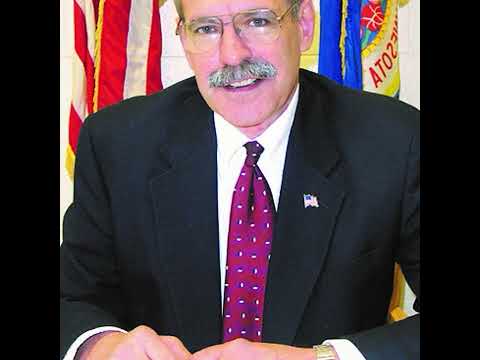
Aitkin County’s District 1 commissioner and chair of the county board used a recent appearance on the podcast Coffee with the County to describe several priorities shaping local policy: flood mitigation, emergency medical services funding, and steady economic growth that preserves local character.
The commissioner said he is "just finishing my fifth term as a county commissioner," and described decades of local service in municipal and county roles. He credited longstanding local institutions and diversified small-business activity with creating a resilient local economy even as retirees and weekend visitors bring new banking and consumer activity.
On flood mitigation, the commissioner described a diversion channel north of the city built after a mid‑20th‑century flood. "The channel itself is about a 6 and a quarter miles," he said, and, citing a recent Soil and Water Conservation District presentation, estimated that the diversion will "save probably around $22,000,000 in flood damage to the city of Aitkin over a 50 year period." He attributed the channel’s original construction to the Corps of Engineers and said ongoing watershed planning (including his work on the Brainerd watershed board) is aimed at sustaining that protection.
The commissioner also emphasized the county’s demographic mix and health‑care footprint: District 1 contains multiple assisted‑living and elderly housing units and Riverwood Healthcare Center, which he called "a Mecca for medical care" in the area. He warned that ambulance services are under financial strain because Medicare and Medicaid reimbursements do not fully cover operating costs. "The ambulance services are not making it financially," he said, noting the county’s discussions about EMS districts and support for the region’s primary provider, North Memorial.
On growth, the commissioner and host described a strategy of "responsible, realistic" economic development. They highlighted recreation and tourism assets—rivers, lakes and ATV trails—as contributors to local business activity and permanent relocation by retirees, while stressing the board’s aim to avoid converting the county into a denser urban model.
The commissioner closed by returning to the broader fiscal challenge counties face: state legislative decisions and unfunded mandates that shift costs to local levies. He said the board continues to lobby legislators for better funding arrangements and to protect the county’s ability to provide required services.
The episode concluded with thanks to the commissioner for his service; there were no motions or formal votes recorded during the interview.