Get Full Government Meeting Transcripts, Videos, & Alerts Forever!
Get email alerts on the School Restructuring topic
No spam. Unsubscribe anytime.
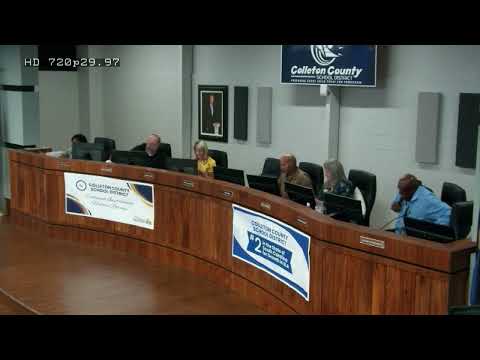
School board approves plan to keep sixth graders at elementary schools, keep Black Street as early childhood center
Summary
After extended debate about special‑education placements, capacity and staffing, the Colleton County School District board voted to accept the superintendent's recommendation: sixth grade will remain at students' current elementary schools and Black Street will remain an early childhood center.
The Colleton County School District committee of the whole voted on March 10 to accept Superintendent Williams' recommendation that sixth grade remain housed at students' existing elementary schools and that Black Street continue as the district's early childhood center. The board's recorded hand count, as announced during the meeting, was four in favor, two opposed and one abstention.
Superintendent Williams presented data and several implementation options, saying administrators had held town halls, collected surveys and prepared a detailed question‑and‑answer document for board review. She cautioned that "some key information needed for planning was not available to district administration in time for a full analysis," and flagged special education placements and facility capacity as uncertainties requiring administrative follow‑up.
One board member moved a broader consolidation plan (option C) that would have moved Black Street students into two in‑town schools and repurposed Black Street; that motion failed after discussion about impacts on students with disabilities, renovation needs and the compressed calendar for staff decisions. After the failed motion, a subsequent motion to accept the superintendent's recommendation passed.
Board discussion focused on four themes: whether the change would disrupt student learning or, conversely, place students in newer buildings; how the district would serve students with IEPs if grade configurations change; the effect on teacher contracts and the timing of personnel decisions in March; and whether consolidating buildings was necessary to reduce a stated $2 million budget shortfall. A board member cited the budget context during debate, saying the proposed restructuring could help "begin to reduce that $2 million budget shortfall based on the extensive exploration data that we've received." The superintendent and administrators repeatedly emphasized they would return implementation details and revised procedures to the board.
The vote does not finalize operational details such as classroom assignments, staff contracts or renovation timelines. Board members directed administration to develop specific implementation plans, including steps to ensure age‑appropriate special education services and to evaluate facility capacity before contracts are issued. The administration also noted upcoming budget work sessions and other deadlines that will guide scheduling.
The committee adjourned after routine reports. Next procedural steps for the restructuring — including any required board approvals of specific facility changes or staffing motions — were set to be brought back to the board by administration for future action.