Get Full Government Meeting Transcripts, Videos, & Alerts Forever!
Get email alerts on the Child Welfare topic
No spam. Unsubscribe anytime.
Committee weighs bill to keep sibling ties after adoption as advocates press for clarity
Summary
Witnesses, including foster-care advocates and a former guardian ad litem, urged support for HB 157 to ensure siblings remain legally recognized after adoption; agencies and the courts warned broad language could create placement-preference conflicts or extra hearings, and the committee set an amendment deadline for May 14, 2026.
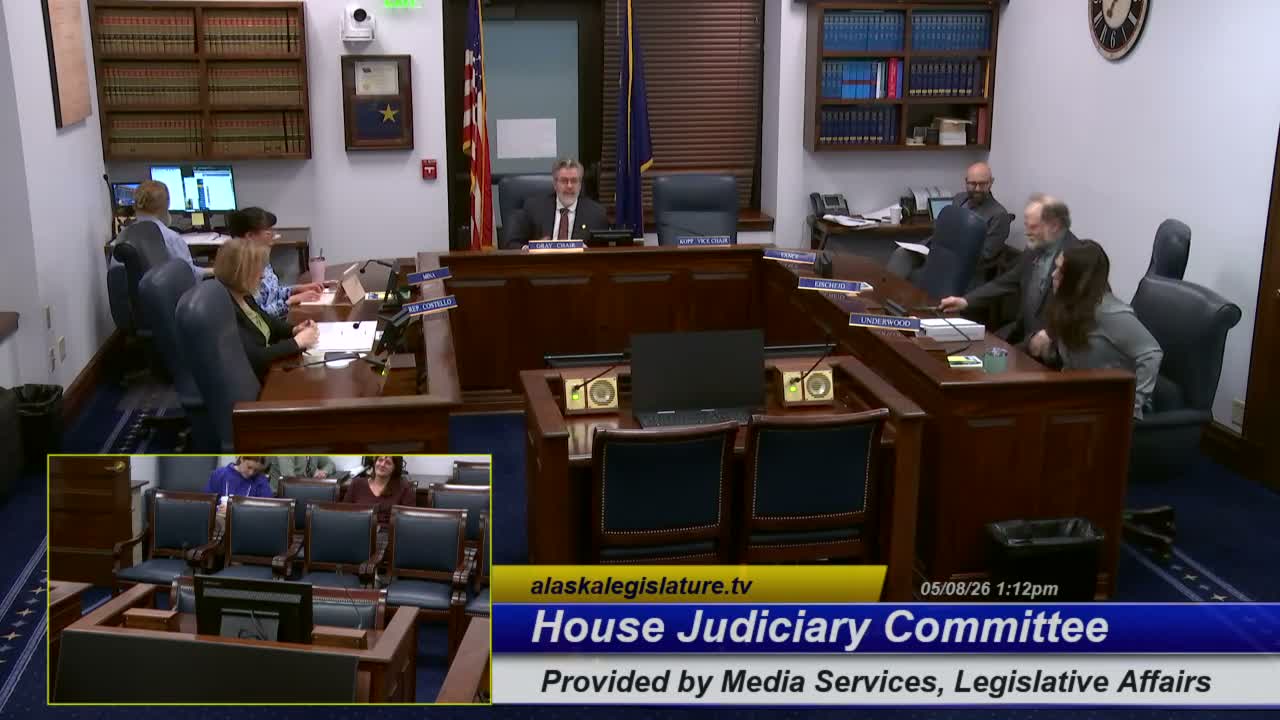
The House Judiciary Committee heard invited testimony May 8 on HB 157, a bill aimed at ensuring siblings in Alaska’s foster-care system remain legally recognized to one another after adoption. Witnesses said the change would protect children’s relationships and encourage post-adoption contact; court and agency officials urged careful drafting to avoid unintended burdens.
Amanda Mativier, executive director of Facing Foster Care in Alaska and a person with lived foster-care experience, told the committee HB 157 "directly addresses that harm by ensuring that siblings remain legal siblings after adoption, even when adopted into different families." Mativier said the bill grew from youth-driven input across the state and described the emotional and practical harms when adoptions make siblings legal strangers.
Barbara Melchick, a Facing Foster Care board member and former guardian ad litem, said existing child-in-need-of-aid statutes already require efforts to place siblings together and to provide visitation or contact information when children are in custody. She said HB 157 would prevent adopted siblings from becoming "legal strangers," broaden placement-preference options to include adult siblings who had been adopted, and require judges to make a best-interest finding on post-adoption contact when relevant.
Nancy Mead, general counsel for the Alaska Court System, cautioned that a statutory requirement for a best-interest finding is a significant judicial determination that may require full briefing or a hearing in some cases and is appealable. Chrissy Vogelie, senior policy adviser at the Department of Family and Community Services, said caseworkers typically document sibling-contact planning during child-in-need-of-aid proceedings and warned a broader statutory change could create placement-preference disputes or extra hearings in outlier situations.
Committee members debated two approaches: narrowly making adopted children remain legal siblings (which would require adjusting the statutory definition of "sibling") or keeping a broad definition while relying primarily on encouragement and judicial discretion to avoid new mandates. Witnesses and members agreed more drafting work was needed to balance youth interests with administrative and judicial constraints.
Chair Gray set an amendment deadline for HB 157 of Thursday, May 14, 2026, at 5:00 p.m., and the committee set the bill aside for further refinement. Chair Gray asked stakeholders to work with committee staff on language that preserves existing sibling relationships without creating unintended placement or procedural burdens.
What’s next: the committee invited stakeholders and agency staff to develop amendments by the May 14 deadline; the bill will return to the committee for further consideration.