Get Full Government Meeting Transcripts, Videos, & Alerts Forever!
Get email alerts on the AB2494 Jackson DSF topic
No spam. Unsubscribe anytime.
Board backs AB 2494 vision for Jackson Demonstration Forest, asks RCRC to reconsider opposition after divided debate
Summary
After hours of testimony from tribal representatives, foresters, mill owners and scientists, the board voted to send a letter supporting AB 2494 (which would modernize management priorities for state demonstration forests) and asked RCRC to reconsider its opposition; the full board was divided during debate and the action passed 3 '.
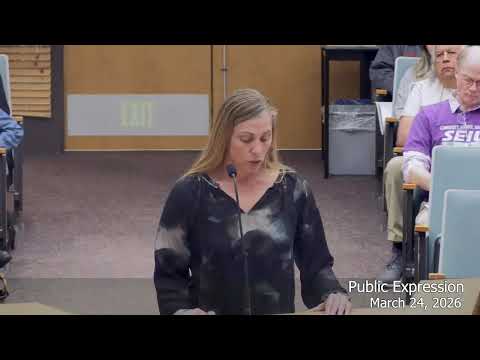
The Board of Supervisors took up Assembly Bill 2494 on March 24, a proposal to modernize the statutory mandate governing California's demonstration state forests (including Jackson Demonstration State Forest) to emphasize tribal stewardship, ecological restoration, research and recreation alongside sustainable management.
The hearing included extended questioning of technical experts and a lengthy public-comment period with sharply divided views. Mike Jones, the University of California Cooperative Extension forest advisor for Mendocino County, said research questions and how they are evaluated are central to the bill's effects. "The language has provided a very narrow definition...that narrows our ability to help inform the larger goals...and might inhibit our ability to answer those questions," Jones said, urging clearer definitions of allowable research.
Assemblymember Rogers' office told the board the bill arose from community requests and from the county's legislative platform; staff said they were open to amendments and had already taken amendments in committee following stakeholder feedback. "This was added to the county's legislative platform...the county...asked for this legislation," said Scott Alonso of the author's office.
Speakers from tribes and conservation groups urged passage and co-management: Buffie Campbell of the Sinkyone Wilderness Council described tribal co-management as a path toward restoring forest health and cultural stewardship. Environmental sponsors highlighted job creation potential from restoration-focused forestry and expanded recreation.
Industry and some forestry professionals raised concerns about economic impacts, local mill viability and the bill's wording. Willits mill owner Bruce Burton said Jackson timber historically supplied a meaningful share of local milling throughput and warned of consequences to family-owned businesses and logging-related local jobs if access changed. Registered professional forester Estelle Clifton and others cautioned language vagueness could create confusion and operational challenges for long-term research and staffing.
After extended debate, Supervisor Cline moved to continue the item and request a county economic analysis; that motion failed. The board then voted to send a letter of support to the bill's author and to ask the Rural County Representatives of California (RCRC) to reconsider its opposition. The final motion passed 3 yes to 2 noes (Supervisors Cline and Norvell dissenting). Supporters said the letter reflects the county's long-standing platform commitments to tribal stewardship and forest restoration; opponents asked that the county seek more specificity and fiscal impact analysis before a firm endorsement.
The board's action sends a county-level signal of support while also asking statewide partners to re-engage on points of concern; staff and stakeholders said amendments and further analysis were likely as the bill moves to Appropriations and other committees.