Get Full Government Meeting Transcripts, Videos, & Alerts Forever!
Get email alerts on the School Budgeting topic
No spam. Unsubscribe anytime.
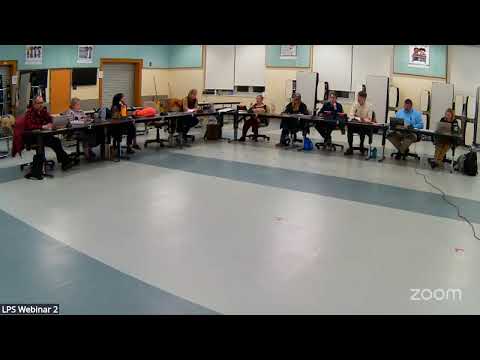
Lewiston school committee debates cuts to student supports as budget shortfall looms
Summary
Superintendent Jake Lang outlined options to trim or reclassify about 30 positions to reduce a FY27 local tax ask, identifying $733,661 in immediate savings while noting $1.6 million could be added back by restoring filled posts; members and public commenters urged preserving student-facing roles and postponed a final budget vote pending city valuation and insurance figures.
Superintendent Jake Lang presented the Lewiston School Committee with a set of FY27 budget options on April 1, proposing personnel changes and line-item corrections intended to reduce the district’s local funding request. Lang told the committee the district had identified $733,661 in recent adjustments from an updated insurance cap, a nutrition reimbursement correction and deferred facilities work, and said restoring all currently filled positions would add about $1.6 million to the local ask.
The budget presentation focused on categories of positions — well‑being and behavior supports, librarians, instructional coaches, literacy/math and multilingual coaches — and on tradeoffs between restoring filled posts, adding positions to replace sunsetting grants, or preserving core student supports. "When we add up all these items that have changed over the last few weeks or been found through the detailed effort, there's ... $733,661 that you can consider what you want to do with," Lang said.
Committee members pressed for detail on several high‑impact proposals. Several members and public speakers said cutting social workers, deans or family‑engagement roles would disproportionately harm high‑need schools, particularly Montello, which committee members described as having exceptional behavioral needs. "If equity is truly the goal, how do we justify a proposal where the highest need schools are facing the greatest reductions in student support?" asked Stephanie Puland, a Montello general‑education social worker during public comment.
Lang outlined multiple scenarios labeled A through E: scenario A would restore all proposed reductions that are filled (roughly +$1.6 million); adding staff funded by sunsetting grants would increase that figure modestly; other scenarios proposed more targeted restorations such as returning the Montello dean and select clinical supports at an estimated $283,862 or broader restorations of librarians and school‑level student support for about $303,000. He emphasized these were options for committee direction, not final decisions.
The meeting also devoted substantial time to revenue context and the city’s property revaluation, which several members said intensifies urgency for a clear message to voters ahead of the referendum. A council member running through sample tax scenarios described a hypothetical $150,000 house that could see its levy jump to roughly $6,353 under the new valuation and proposed rate — an example participants used to urge expanded community outreach. Committee members requested the final insurance figure (expected April 10) and any state bridge funding information before taking a vote.
Multiple committee members said they were not prepared to vote and asked administration to return with more data. "I can't vote on this tonight," Member Janet Bowden said, noting the community feedback against the most painful staff cuts. Members repeatedly urged Lang’s office to explore central‑office savings and to present clearer, optionized packages the committee could vote on at a later date.
Public comment reflected the tension between fiscal constraints and student supports. Montello staff and other residents urged preserving classroom‑facing roles and mental‑health capacity, warning cuts would increase classroom disruption and staff burnout. A high‑school technology instructional coach argued that some instructional supports — including coaches who train multiple teachers — produce multiplier effects across classrooms.
No budget vote was taken. The committee directed administration to return with refined scenarios and additional data (including finalized insurance numbers and any state funding updates) and scheduled further committee meetings to continue the discussion. A separate motion to adjourn was made and passed unanimously at the meeting’s close.
Next steps: the superintendent will refine packages and provide detailed lists of positions and funding sources for committee review; the committee must adopt a proposed budget for City Council by May 5 and a referendum date typically follows one week later, per charter timelines Lang reviewed at the meeting.