Get Full Government Meeting Transcripts, Videos, & Alerts Forever!
Get email alerts on the Behavioral Health topic
No spam. Unsubscribe anytime.
Spokane County breaks ground on Path, Diversion and Recovery Center to add 23-hour sobering care
Summary
Spokane County announced construction has begun on an expansion of its Crisis Stabilization Center to create a 23-hour sobering center for intoxicated, non-violent people; county leaders say the project is funded by local mental health sales tax, opioid settlement dollars, federal and state allocations and will open in 2027.
Spokane County announced this week that it has broken ground on an expansion of the county Crisis Stabilization Center that county officials say will include a 23-hour sobering center to provide short-term care for intoxicated but non-violent people, reducing reliance on emergency rooms and jail.
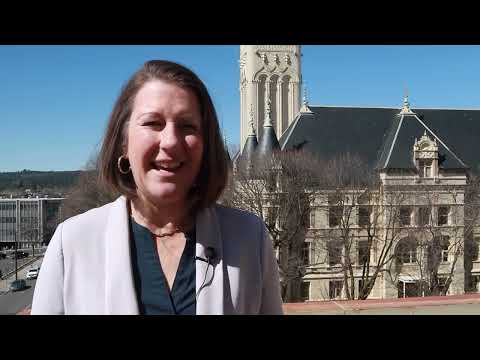
"The new building will be a 23-hour sobering center designed to provide short-term care for individuals who are intoxicated but non-violent," Spokane County Commissioner Amber Waldref said. She added the facility will accept people at any time of day or night and will expand the county’s capacity to provide immediate behavioral health and substance-use support.
County officials provided a funding summary for the project. Waldref said the expansion is financed through a mix of sources: local mental health sales tax revenue, opioid settlement dollars, $3 million in federal funds "thanks to Senator Patty Murray," and $3.7 million from the Washington State capital budget attributed to local legislators' advocacy. The county has named the project the Path, Diversion, and Recovery Center and expects the facility to open in 2027.
Waldref framed the expansion as a diversion strategy to keep people who are intoxicated but not violent out of emergency departments and the criminal-justice system, instead offering a short-term setting to recover and be connected to behavioral-health and substance-use services. She said the county broke ground this week and asked the public to consult her office and social channels for further updates.
The announcement did not include more detailed operational information such as bed capacity, daily intake limits, staffing plans, or a precise construction timeline beyond the 2027 opening target. Those specifics were not specified in the county update.