Get Full Government Meeting Transcripts, Videos, & Alerts Forever!
Get email alerts on the School Infrastructure Plumbing topic
No spam. Unsubscribe anytime.
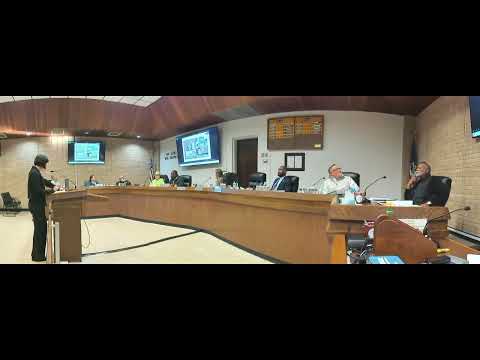
Board committee hears options after repeated sewer clogs at South Terrebonne High School
Summary
Staff told the Buildings, Food Service and Transportation Committee that daily sewer clogs at South Terrebonne High are caused by corroded, flaking cast-iron piping and presented three repair options — epoxy lining, full PVC replacement, or a hybrid — with ballpark costs and a recommendation to schedule work in the summer.
Staff told the Terrebonne Parish School District Buildings, Food Service and Transportation Committee on March 17 that daily clogs at South Terrebonne High School stem from corroded cast-iron sewer piping that flaked after sitting dry following the hurricane. Video inspections and recurring maintenance pull large debris and scale that trap items flushed into the system, staff said.
Engineering staff described three repair approaches. The least disruptive is cured-in-place epoxy lining, which adds about 1/16 inch of epoxy and — according to the vendor data presented — typically extends service life roughly 25 years. Full replacement with Schedule 40 PVC would require demolition in some areas and is costlier, though it yields a longer service life. A hybrid approach would replace accessible second-floor piping and line the first-floor piping that lies under concrete slabs.
Board members pressed staff on procurement and prior work. Miss Dugas said future repair work would be advertised for bids; she confirmed earlier hurricane repairs and some interim maintenance had been done by contractors who remained on site after initial hurricane work. The committee discussed whether prior, pre-award work had been performed and the need to follow formal bid processes for the larger repair contract.
The committee also discussed FEMA reimbursement. District staff explained that FEMA pays for direct physical damage from the storm but does not generally cover deterioration that developed while piping sat unused; staff stated the sewer corrosion is considered deferred maintenance and not direct storm damage. Members asked whether the district’s project manager or hired consultants should have flagged the risk earlier; staff said initial camera inspections performed at the outset did not show the current level of flaking, and the condition developed over the intervening years.
Staff presented ballpark cost scenarios discussed during the meeting: an epoxy lining estimate discussed in the meeting was on the order of $600,000 for work the presenters said would typically restore roughly 25 years of life; a full replacement price discussed was nearer $900,000. Staff recommended performing the work during the summer to avoid disrupting students; the lining process was described as the quickest option and could be completed in roughly four to six weeks depending on contractor capacity, with phasing possible to keep portions of the building operational.
No formal vote was taken; the item was presented as informational and staff were asked to return with formal recommendations and bid documents for the board’s consideration.