Get Full Government Meeting Transcripts, Videos, & Alerts Forever!
Get email alerts on the Public Safety topic
No spam. Unsubscribe anytime.
Limestone County hears sheriff’s $368,540 DARE proposal, commissioners weigh alternatives
Summary
The Limestone County Commission reviewed a sheriff‑proposed DARE program estimated at $368,540 over three years and debated funding it with opioid settlement money; some commissioners urged a competitive process to evaluate alternatives and raised sustainability concerns after one‑time funds run out.
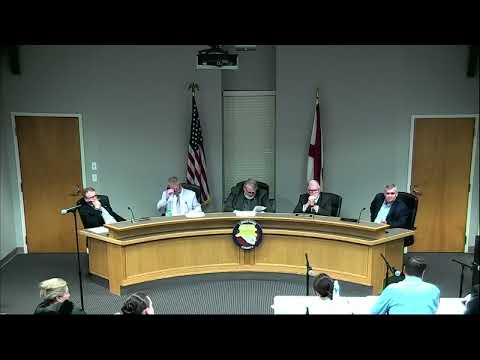
The Limestone County Commission on March 16 considered a sheriff‑led DARE program that would cost an estimated $368,540 over three years, with higher upfront expenses for equipment, a vehicle and training and ongoing salary costs thereafter.
The proposal, presented as an option to use opioid settlement funds, was described by the sheriff’s office as an education and prevention effort that could also add a deputy in the field. Commissioners generally expressed support for the program’s goals but differed on how to proceed.
One commissioner said the DARE curriculum and school‑based prevention work could be valuable but urged the commission not to commit the funds without assessing other proposals. "I just think that there we ought to evaluate other options and other things as well to at least make sure that if there are other programs out there that we look at those," the commissioner said. Another commissioner argued the sheriff’s department already has a program framework and favored moving forward with the sheriff’s plan.
Several commissioners raised sustainability concerns if the county relies on opioid settlement money or other short‑term sources. One commissioner cautioned that "when this money is gone," the county may face recurring costs for salaries and training and suggested the commission consider whether it would fund the program long term.
The chair said the proposal would remain on the agenda for a future regular meeting where commissioners will decide how to proceed. No final vote on funding or program design was recorded during the work session; commissioners discussed leaving the item on the agenda for later action and additional review.
The commission also noted the potential for using grant funding to extend programs after the initial funding ends, but did not set a timeline for a competitive solicitation or detailed evaluation process during the work session.