Get Full Government Meeting Transcripts, Videos, & Alerts Forever!
Get email alerts on the USADF Abolition topic
No spam. Unsubscribe anytime.
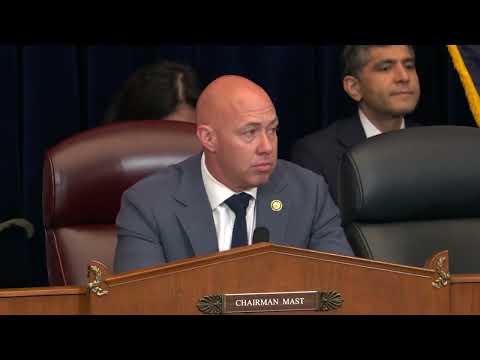
Committee member urges abolition of United States African Development Foundation after DOJ indictment
Summary
A committee member told the committee a bill would abolish the United States African Development Foundation, citing a Jan. 30, 2026 indictment and a guilty plea by the agency's finance director and listing alleged examples of waste, unsecured funds and data-wiping.
A committee member introduced a bill to abolish the United States African Development Foundation (USADF), citing an indictment and guilty plea tied to the agency’s financial management and alleging widespread waste and lapses in controls.
The committee member said the finance director of USADF was indicted by the Department of Justice on Jan. 30, 2026, and “pled guilty to financial fraud,” and that long-running concerns raised by the Government Accountability Office and the Office of Inspector General support scrutiny of the agency’s operations. “They've got to be terminated,” the committee member said, describing the proposed African Development Foundation Termination Act as a response to what the speaker called systemic problems.
Why it matters: USADF is a federal program that provides small grants and technical assistance intended to support businesses and underserved communities in African countries. The committee member framed the abolition bill as a measure to stop misspent U.S. taxpayer dollars and to restore accountability after what the speaker described as fraud, insecure funds and inappropriate contracting.
Details offered by the speaker included examples of grants the member characterized as poor uses of money, citing a $229,000 award for marketing organic shea butter in Burkina Faso and a roughly $239,000 grant for pineapple-juice marketing in Benin. The speaker also listed smaller awards the speaker said were terminated as part of about $51 million in reductions.
The member alleged other grants such as about $84,000 for a business incubator in Nigeria, support for mango-drying facilities in the Ivory Coast, efforts to increase yogurt production in Uganda, WhatsApp marketing in Kenya and projects to grow dragon fruit in Senegal.
On agency finances, the committee member said roughly $9.1 million remained unsecured across 13 countries, that U.S. government funds were in foreign bank accounts with unclear access controls, and that about $55 million in obligations remained open. The speaker also cited $424,000 in unapproved invoices.
The committee member alleged a $617,000 pass-through scheme in which funds were steered through a Kenya-based company and said the finance director pled guilty to accepting illegal gratuities and making false statements after steering those funds. The speaker also alleged deliberate data wiping, saying 21 servers were taken offline, including in six locations the speaker described as unknown, and that logging information had been deleted.
The member said they would submit for the record a report titled “US African Development Foundation Operational Inventory Report: Systemic Patterns of Fraud, Waste, and Abuse,” and concluded the procedural moment with “Without objection.”
No vote or final action on the abolition measure is recorded in the transcript. The record in this excerpt shows the bill’s introduction and detailed allegations but not a formal committee vote or staff response. The committee member also acknowledged that U.S. programs and partnerships in Africa continue and listed other active commitments — including global health and DFC awards — while arguing that programs enabling persistent waste should be terminated.
Next steps: The transcript records the bill’s introduction and submission of the inventory report for the record; it does not record a committee vote or an administrative finding resolving the allegations.