Get Full Government Meeting Transcripts, Videos, & Alerts Forever!
Get email alerts on the Wrongful Conviction Experience topic
No spam. Unsubscribe anytime.
Exoneree Anthony Graves recounts 18½ years and urges multidisciplinary defense teams
Summary
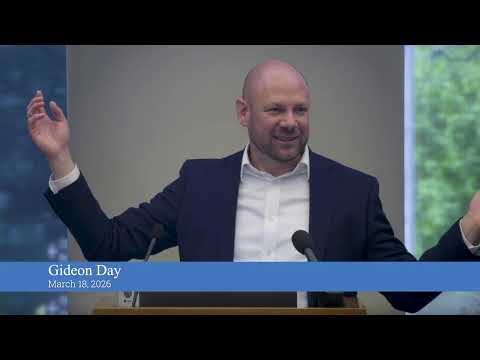
Anthony Graves, wrongfully convicted and exonerated in 2010, recounted his time on death row at a Travis County Gideon Day event and called for funded peer navigators, social workers, investigators and reentry services to make the Gideon right to counsel effective.
Anthony Graves, who was wrongfully convicted and spent 18½ years in prison before his 2010 exoneration, told attendees at a Travis County Gideon Day event that a lawyer cannot secure justice alone and called for systems that support the whole person.
Graves recounted conditions on death row and the consequences of a system that "failed to bring the full truth into the room," describing missing witnesses, incomplete investigation and life histories flattened into charges. "A lawyer can't do this work alone," he said, arguing that peer navigators, social workers, investigators, mitigation specialists and reentry professionals are essential to preventing wrongful convictions and improving outcomes.
Graves described peer navigators as people with lived experience who build trust and help clients participate in their defense. "Peer navigators don't replace lawyers. I want to make sure we understand that. They multiply what lawyers can do," he said. He explained social workers' role in stabilizing people in crisis and investigators' role in locating witnesses and testing timelines.
He offered four practical steps for making Gideon real: fund multidisciplinary defense teams as the standard; standardize peer‑navigator training and ethics; create strong referral pathways between defender offices and community partners; and measure outcomes that matter (engagement, court appearance rates, housing stability, treatment continuity and client satisfaction). Graves framed these as operational changes needed so the constitutional right to counsel leads to just results in practice.
Graves closed by urging commitment to support core defense staff and calling the audience to treat the day as more than celebration. His remarks were delivered alongside testimony and presentations by defense staff and local advocates; the event did not include any formal votes or policy adoptions.