Get Full Government Meeting Transcripts, Videos, & Alerts Forever!
Get email alerts on the Urban Trees topic
No spam. Unsubscribe anytime.
Berwyn residents and officials press to expand street-tree program, seek accounting for $75,000 township grant
Summary
At a March 11, 2026 SURAC meeting, residents and city staff reviewed recent tree-planting totals, discussed watering contracts and maintenance, urged a proactive opt‑out model for multiunit parcels, and requested an accounting of a $75,000 township grant.
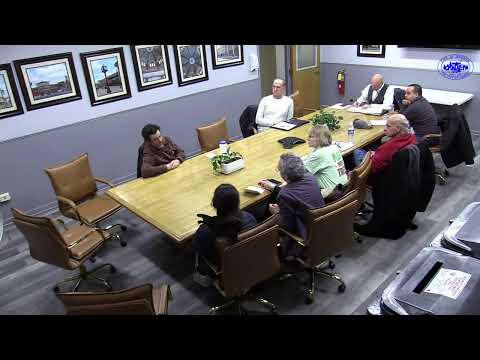
SURAC — At a March 11, 2026 neighborhood advisory meeting, residents and city staff reviewed recent street-tree plantings, discussed contractor responsibilities for watering and maintenance, and pressed the city for an accounting of township funds intended for additional plantings.
John Benley, a member of the Berwyn Tree Canopy Initiative, told the meeting that the township had allocated $75,000 in 2024 for supplemental plantings and urged the city to report how those funds were spent. "The township money…was $75,000 from the township of Berlin and that was for the idea was additional trees above and beyond the regular planting program," Benley said, noting the city did not receive the money until July 2025 and asking how many trees had been planted with it.
City staff and the arborist detailed recent work: staff reported 188 trees planted in 2024 and 160 planted so far in 2025, and said the city planted 86 trees in a single dormant-day operation on Dec. 18. The arborist (identified in the meeting as Nick) explained the seasonal trade-offs: nurseries have a better selection in spring because more species can be dug then, but dormant-season planting can be successful when properly managed. "We did 86 in," the arborist said describing the December planting push.
Speakers pressed staff to address two ongoing constraints: who will water newly planted street trees and how to reach absentee owners of multiunit rental properties. Staff said larger removals are being handled by a contractor called Lions, much pruning is done in house, and that watering requirements could be added to an upcoming RFP that will cover services across districts.
Several residents advocated an opt-out approach to increase canopy in areas dominated by two- and three‑flat rental properties: identify suitable planting spots, notify property owners, and plant unless an owner explicitly opts out. As one participant explained, that approach would allow the city to reach owners through tax or utility billing addresses and give them an extended opt-out window before the city proceeds to plant.
Tree-board members and volunteers also emphasized species diversity to guard against pests and climate stressors. "If we do a variety of plants, we actually probably have a better return on our investment," a tree-board speaker said, citing prior losses to emerald ash borer and other threats.
Staff outlined follow-up steps discussed at the meeting: ensure the RFP for district maintenance includes watering, work with community volunteers to prepare planting lists in mid‑April, and make the GIS-based tree inventory shareable to the public once engineering completes the interface. During public comment, Benley asked specifically for an accounting of the $75,000 township allocation and whether those dollars had resulted in additional plantings; staff confirmed timing of receipt (July 2025) but did not provide a detailed line-item accounting during the meeting.
The meeting closed after a motion to adjourn was made and seconded. No formal policy vote on planting strategy or the township accounting was recorded at the meeting; staff were asked to return updates to the committee and to include watering in the forthcoming service RFP.
Next steps: staff to review the pending RFP for watering/maintenance, meet with community groups in mid‑April to refine planting lists and explore the opt‑out model, and publish updated inventory data when the GIS interface is available.