Get Full Government Meeting Transcripts, Videos, & Alerts Forever!
Get email alerts on the Humanitarian Aid topic
No spam. Unsubscribe anytime.
Three Indonesian peacekeepers killed in Lebanon as UN warns of worsening humanitarian crisis in Lebanon and Gaza
Summary
The UN reported three Indonesian UNIFIL peacekeepers killed and one wounded in southern Lebanon amid ongoing hostilities, and warned that displacement in Lebanon has reached over 1.1 million while aid to Gaza and the West Bank remains critically constrained.
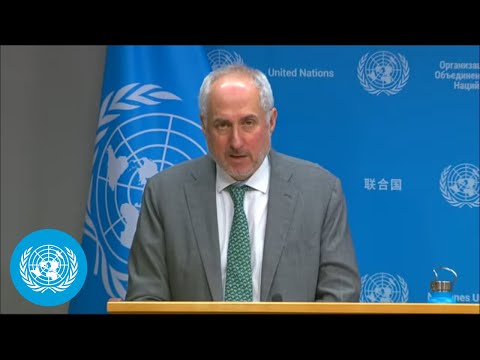
The United Nations reported that three Indonesian peacekeepers — Corporal Farizal Ramadan, Major Zulmi Iskandar and First Sergeant Muhammad Nur Ikhwan — were killed in two incidents on March 29 and March 30 while carrying out UNIFIL duties in southern Lebanon, the UN spokesperson Stephane told reporters.
Stephane said a ceremony in Beirut paid tribute to the fallen peacekeepers. He added that hostilities in southern Lebanon continue to endanger UN personnel, with ongoing rocket fire, airstrikes and expanded incursions by Israeli Defense Forces in areas north of the blue line; one peacekeeper was reported wounded in the shoulder at a UN position near Mays Jabal.
The spokesperson warned that actions such as the erection of an Israeli flag near a UN position in Kafr Kila “undermine the perception of UNIFIL’s impartiality and risk drawing fire towards peacekeepers,” and he reminded all parties of obligations to avoid actions that could put peacekeepers at further risk.
On the humanitarian front, Stephane said more than 1.1 million people have been forced from their homes in Lebanon since the escalation began, with nearly 15% of Lebanon’s territory impacted by displacement orders. Hospitals and primary health centers are overwhelmed or have closed in affected areas; UN partners report that half of the facilities supported by UNFPA in impacted areas have been forced to close. UNFPA has deployed nine mobile health units to provide maternal care, emergency obstetric support and services for survivors of sexual violence.
Regarding Gaza, the spokesperson said needs there “continue to far exceed what aid organizations can provide,” noting only one cargo crossing is open and that limited commercial goods, especially cooking gas, constrain food preparation. Partners completed partial March ration distributions and delivered emergency medical consultations (about 23,000 consultations in the last week of March), but delays in clearing specialized medical and surgical equipment restrict complex care and durable shelter solutions remain limited pending entry of heavy equipment and ordnance-clearance gear.
In the West Bank the briefing cited OCHA figures showing 22 of 33 Palestinians killed in the regional escalation occurred in the West Bank and that more than 200 settler attacks in March caused casualties or property damage across over 100 Palestinian communities. The spokesperson urged that Palestinians be protected, perpetrators be held to account, and policies driving humanitarian needs be reversed.
The UN called on the international community for immediate de-escalation, protection of civilians and humanitarian workers, full and unimpeded humanitarian access — particularly to southern Lebanon — and urgent funding to meet fast-growing needs.