Get Full Government Meeting Transcripts, Videos, & Alerts Forever!
Get email alerts on the Parking And Revenue topic
No spam. Unsubscribe anytime.
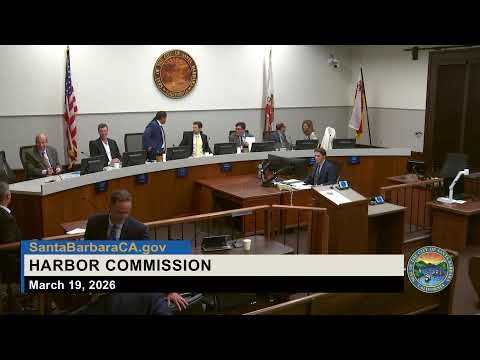
Harbor Commission backs further study of pilot RV camping in a waterfront parking lot amid parking and zoning concerns
Summary
The commission voted to continue exploring a pilot to convert part of the Chase Palm Park lot into 16–26 dry RV stalls as a revenue source; commissioners and public speakers raised concerns about losing roughly 127 parking spaces, zoning and coastal permits, and public safety and seasonality.
The Harbor Commission voted to continue studying a proposed pilot to install overnight recreational‑vehicle camping in the eastern half of the Chase Palm Park parking lot.
Waterfront administrative assistant Nico Lopez presented a concept for 16–26 dry (no hookups) stalls on the eastern lot, with a conservative revenue benchmark based on current half‑lot revenue of roughly $348,000 per year. Lopez said the site was chosen for its low neighborhood impacts and proximity to waterfront businesses but noted the pilot would provide no utilities and would rely on self‑contained RVs.
Commissioners and members of the public questioned the plan’s operational and regulatory feasibility. Lopez told the commission that overnight RV camping is not currently permitted in that zoning district and that staff are exploring potential pathways—conditional use permits, municipal code changes and a likely Coastal Commission coastal development permit. Commissioners asked for a risk‑management analysis (fire, maneuverability, proximity to bathrooms), options for third‑party concession operations or on‑site hosting, and whether the parking stalls lost (the presentation identified about 127 standard stalls in the eastern half) could be replaced via nearby parking or a garage.
Public commenters, including Harbor resident and boater Harrison Hail, said removing so many stalls could push cars into other lots and strain harbor access during peak summer weekends. Staff said seasonal mitigations (using City College parking during summer months) and dynamic pricing could affect demand and that further analysis of occupancy, management and safety would be part of the next stage.
The commission’s motion—moved by Commissioner McCrae and seconded by Commissioner Nelson—directed staff to continue developing the pilot concept and report back; the motion passed with Commissioner Heimus voting no and the remaining commissioners in favor.
Next steps: staff will work with Community Development and the City Attorney on possible code or permit routes, estimate costs for restriping and operations, and develop an operational model (third‑party concession, on‑site host or city‑run). The item will return to the commission for formal approvals and any required permit hearings before implementation.