Get Full Government Meeting Transcripts, Videos, & Alerts Forever!
Get email alerts on the Pilots Tax Policy topic
No spam. Unsubscribe anytime.
Financial consultant outlines how PILOTs work and urges rigorous cost–benefit review
Summary
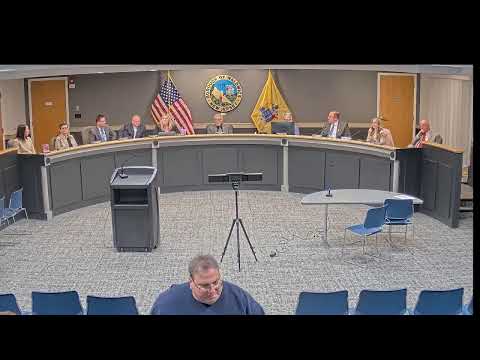
At a Waldwick Borough Council meeting, Brian Morris of Phoenix Advisers presented how PILOTs (payments in lieu of taxes) can finance projects that are not otherwise bankable, and residents and council members pressed for strict guardrails, school-impact analysis and independent cost–benefit studies before any local agreement.
Brian Morris, a financial consultant with Phoenix Advisers, told Waldwick council members on Wednesday that a PILOT — a payment in lieu of taxes — is a municipal tool meant to help “spur economic growth and help get projects done and built that otherwise would not be financable.”
Morris said PILOTs typically apply to the improvement value of a property and can be structured as either short-term agreements or long-term exemptions of 15–30 years. He described two common payment formulas: a percent of the developer’s annual gross revenue (the more common method) and, less commonly, a percent of total project cost. He noted that a 10% payment of gross revenue is the statutory minimum in typical cases and that municipalities generally retain about 95% of each PILOT dollar, with the county receiving about 5%.
Why it matters: council members and residents pressed for clarity about local impacts on municipal revenues and on school funding. Morris emphasized that a robust, independent cost–benefit analysis is essential and that local governments should negotiate “guardrails” — floors, phase-ins and upfront community-benefit payments — to protect municipal interests while preserving project financing.
Council concerns and public questions focused on several recurring points: how towns prevent a “bad” PILOT that leaves the borough shortchanged, whether developers or lenders have ever defaulted (Morris said defaults are rare and lenders often step in), and how school budgets would be affected. Morris explained that school districts use a budget-based levy that entitles them to collect required dollars regardless of the PILOT arrangement and that municipalities should include likely student-generation estimates in any analysis.
Multiple residents urged hard numbers tied to local examples. One attendee asked for detailed historical comparisons showing what local PILOTs actually produced, and council members said they want any future proposal accompanied by an independent financial review rather than a developer-provided pro forma.
What the council will do next: Morris and staff said the presentation was illustrative and not tied to a specific project. Council members and staff agreed to require thorough cost–benefit analysis, to consider a statutory minimum and floor structures, and to clarify the effect of any pending state legislation before pursuing an agreement.
Closing note: speakers repeatedly emphasized negotiation points the borough can insist on — minimum payments, phase-in percentages, upfront community contributions and enforceable reporting (annual audits and cost certifications) — and asked staff to return with model agreements and local examples for future review.