Get Full Government Meeting Transcripts, Videos, & Alerts Forever!
Get email alerts on the Black Swift Conservation topic
No spam. Unsubscribe anytime.
Bird Conservancy researcher: Black swifts at Bridal Veil Falls show unusual moon‑linked flight patterns and local population concerns
Summary
A Bird Conservancy researcher presented 2025 survey results showing Black Swifts at Bridal Veil Falls spend months aloft, increase flight altitude around full moons and likely host about seven breeding pairs at the site; staff and commissioners discussed monitoring, signage and outreach to Telluride.
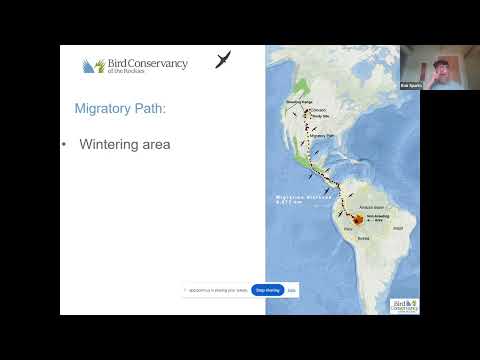
Rob Spars of the Bird Conservancy of the Rockies presented the findings of a 2025 Black Swift assessment for Bridal Veil Falls to the San Miguel County Open Space Commission on March 23. Spars said GPS tags and wing accelerometers indicate some Black Swifts spend six to eight months continuously on the wing and that the birds fly higher during periods around the full moon.
The presentation summarized the species’ annual cycle, noting Colorado incubation typically begins around July 8, eggs hatch about Aug. 4 and fledging occurs in mid‑September. Spars said fieldwork and actogram analyses showed an increase in flight altitude near full moons; a lunar eclipse provided a ‘‘natural experiment’’ when recorded altitudes dropped during the eclipse and rose afterward.
Spars also reviewed population estimates for local sites. He said survey observers recorded five swifts at Bridal Veil Falls during the 2025 counts and model results predict roughly seven breeding pairs there. Historical comparisons discussed at the meeting noted higher counts in the past (about 15 pairs in 1951, 12 in 2011), consistent with broader declines in aerial insectivores documented in long‑term Breeding Bird Survey data.
Commission members asked about likely causes of decline. Spars pointed to a combination of factors, notably long‑term insect declines and climate change that affect food availability, and noted the species lays only a single egg, limiting population recovery. He said the birds breed on cliffs and near waterfalls or wet rock faces; habitat features such as nest niches, vertical relief, shade and moss were positively associated with occupancy in the study’s analyses.
Discussion at the meeting covered local management implications. Spars said the Bridal Veil area is a regional hot spot for nesting but that larger sites appear more resilient than smaller ones. He described public‑facing options raised by commissioners and staff, including monitoring the observation deck and nearby metal stairs for potential disturbance, adding interpretive signage at the overlook, and sharing results with the Town of Telluride and Colorado Parks and Wildlife so local outreach and monitoring can be coordinated.
The commission and staff discussed potential funding sources and the value of social‑science work to improve public understanding and stewardship of nest sites. Spars said he welcomes additional local collaborations and follow‑up monitoring.