Get Full Government Meeting Transcripts, Videos, & Alerts Forever!
Get email alerts on the Multilingual Education topic
No spam. Unsubscribe anytime.
Assistant superintendent: ACCESS scores show steady English growth, district to emphasize speaking practice
Summary
Dr. Diana Pinto Gomez presented ACCESS results showing grade-level progression for multilingual learners and 94 students exiting the bilingual program this year; the district plans targeted speaking practice and smaller sections to support oral language development.
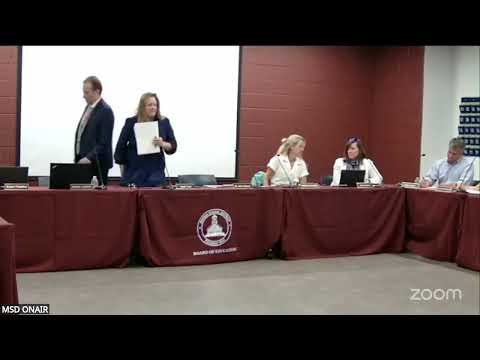
Dr. Diana Pinto Gomez, assistant superintendent for pupil services and bilingual education, presented the Morris School District's ACCESS test results for multilingual learners and said the data show steady progress across grade levels.
"The ACCESS test measures listening, reading, speaking and writing," Dr. Pinto Gomez said, explaining the composite scale runs from 1 (lowest) to 6 (highest). She said many kindergarten students scored at level 1 while higher grades show movement into levels 2–4, with 94 students exiting the bilingual program this year compared with 86 last year.
The presentation highlighted that younger cohorts commonly begin at lower composite levels and that the district saw a substantial number of "newcomer" students placed in ninth-grade entry sections because they arrived with limited formal education. Dr. Pinto Gomez said such placements, often for students with no transferable credits, explain a larger share of low scores in ninth grade.
Board members asked about program size and composition. Dr. Pinto Gomez said the multilingual program serves approximately 1,000 students districtwide and clarified that this number reflects students in multilingual programs rather than a single language group.
To address persistent gaps in speaking, Dr. Pinto Gomez said the district will prioritize formal speaking opportunities and smaller section sizes where possible. "Our push is to have our students speaking more," she said, noting plans for after-school interventions, targeted professional development and mid/high-school strategies to increase students' oral fluency.
The presentation also outlined criteria used to transition students out of bilingual-specific instruction, including ACCESS composite cut points, teacher judgment and other literacy measures; administrators said they typically look for composite scores near 3.5–3.6 plus corroborating reading growth before moving a student into ESL-only or mainstream instruction.
The board was told the district will present a full review of spring state assessments and AP exam results at the Oct. 27 meeting and will post the presentations online.
Next steps: the district will continue monitoring students who have exited the program, pursue targeted speaking supports, and report comprehensive assessment results at the October meeting.