Get Full Government Meeting Transcripts, Videos, & Alerts Forever!
Get email alerts on the Term Limits topic
No spam. Unsubscribe anytime.
Charter committee declines to advance term-limit proposal after public comment
Summary
After public comment and internal debate about pros and cons, the committee decided not to pursue term limits now, describing the issue as low priority and asking staff to defer unless a strong case emerges.
Public commenters and committee members discussed term limits in depth but the Charter Review Committee took no immediate action to change the charter, with the chair describing the item as allowed to "die a peaceful death" for the time being.
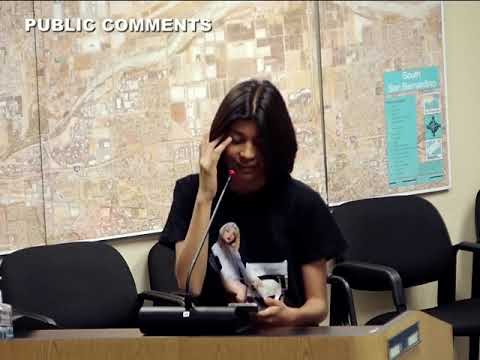
David Freriedman and other public speakers urged limits (Freriedman proposed an eight-year maximum) and argued term limits would promote turnover, new ideas and accountability. Committee members reviewed common arguments for and against: proponents raised concerns about alleged long incumbencies and abuse of power; opponents warned of losing experienced officials, creating lame-duck dynamics, and imposing costs for ballot measures.
Members cited local history and turnout changes tied to election timing, with several noting that only one local official in the previous 50 years served more than three consecutive terms. Concerns about the political cost of ballot measures and the potential that term limits merely restart incumbency clocks were also raised.
Rather than advance language or recommend placing a term-limit measure on the ballot, the committee agreed to deprioritize the issue unless additional justification or public demand emerges. The committee did not adopt any charter amendment on term limits at the meeting.