Get Full Government Meeting Transcripts, Videos, & Alerts Forever!
Get email alerts on the Erisa Reform topic
No spam. Unsubscribe anytime.
Committee approves ERISA litigation changes aimed at curbing some fiduciary class actions
Summary
The House Education and Workforce Committee advanced HR6084, an ERISA litigation reform bill that would tighten pleading standards for certain fee and ESOP claims and delay discovery until courts resolve motions to dismiss; supporters said it curbs coercive settlements, while critics said it weakens worker enforcement and could affect health plans.
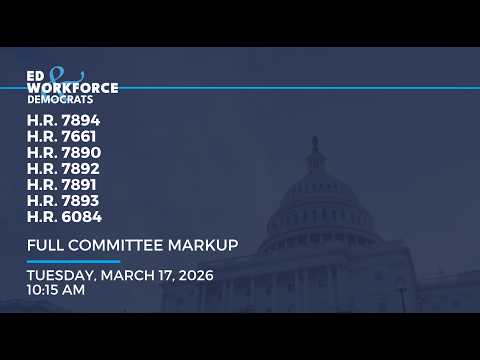
The committee approved HR6084, the ERISA Litigation Reform Act, which would alter pleading-stage standards for employee-benefit suits under the Employee Retirement Income Security Act (ERISA). Sponsor Representative Randy Fine and backers said the proposal restores balance at the early stages of litigation by requiring plaintiffs to plead more concrete facts for excessive-fee and some ESOP claims and by staying discovery until motions to dismiss are resolved.
Supporters told the committee that current litigation dynamics allow speculative claims paired with expensive discovery to coerce settlements that divert plan resources from beneficiaries. The bill’s reforms are modeled, in part, on earlier securities-litigation reforms and are intended to reduce meritless suits while allowing meritorious claims to proceed.
Opponents — including Democratic members and witnesses cited in committee discussion — argued the bill would undermine beneficiaries’ ability to hold fiduciaries and third‑party service providers accountable. They emphasized that ERISA enforcement has been a crucial backstop for plan participants seeking redress for mismanagement and expressed concern that the bill could interfere with enforcement involving health plans and pharmacy-benefit manager arrangements.
The committee debated and rejected several narrowing amendments; a bipartisan subset of members sought to protect claims related to health plans and PBM fee oversight. After votes and debate, the committee agreed to an amendment in the nature of a substitute and reported the bill to the House by roll call.