Get Full Government Meeting Transcripts, Videos, & Alerts Forever!
Get email alerts on the School Supports topic
No spam. Unsubscribe anytime.
Board splits over whether one‑time state funds should buy MTSS coaches or add counselors
Summary
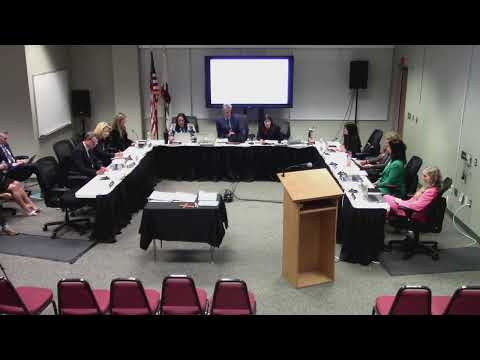
Trustees debated how to spend a limited one‑time state learning recovery allocation (about $275,000). Staff recommended two MTSS instructional coaches at high schools; counselors and school staff urged directing funds to counselors and social‑work supports. The board redirected that one‑time funding to two counselors (4–1) and requested a staff analysis of alternative allocations.
The board’s discussion of the 2025–26 Local Control Accountability Plan (LCAP) highlighted a consequential local budgeting question: how should a modest, one‑time state learning recovery allocation be spent to best support students? Dr. Nye presented the draft LCAP actions and services, describing ongoing LCFF allocations for counselors, MTSS (Multi‑Tiered System of Supports) staff and intervention programs, and one‑time grant possibilities.
Staff recommendation and rationale: Because state guidance suggested the one‑time learning recovery block grant would be available for short‑term, instructional interventions, staff recommended using the funding to hire two MTSS instructional teachers (one at each comprehensive high school) on a temporary basis. Staff argued MTSS coaches provide day‑to‑day instructional coaching, help strengthen Tier‑1 instruction, run data cycles and support grade‑level teams—work that can have an outsized effect on outcomes if done well.
Counselors’ case: Dozens of district counselors and classroom staff urged the board to prioritize counseling positions instead. The counselors’ testimony emphasized that caseloads are uneven across schools, that counselors deliver Tier‑1 social‑emotional learning, small‑group interventions, and crisis support, and that increased counseling capacity translates directly to improved student engagement and well‑being. Leah Becker, a CHS counselor, told the board: “Academic engagement and achievement cannot be fully addressed until student well‑being and mental health is prioritized.”
Board action and outcome: Trustees debated alternatives (adding social workers, continuing MTSS positions, or investing in more counselors) and asked staff for more analysis of how current resources could be reallocated. After deliberation, the board voted 4–1 to redirect the projected one‑time state allocation to fund two additional counselors rather than the two MTSS coach positions the staff had recommended.
Implications: The decision directs one‑time funds to counseling while staff pursues a governance request to analyze other options for supporting at‑risk secondary students (including non‑personnel approaches and using current resources differently). Staff signaled that sustaining any positions beyond the one‑time funding cycle would require identifying ongoing revenue or repurposing existing budget lines.
What’s next: Trustees requested a staff study of alternative deployment models for the district’s resources (governance request), and staff will return with findings. The LCAP will be brought back as a formal adoption item in June.